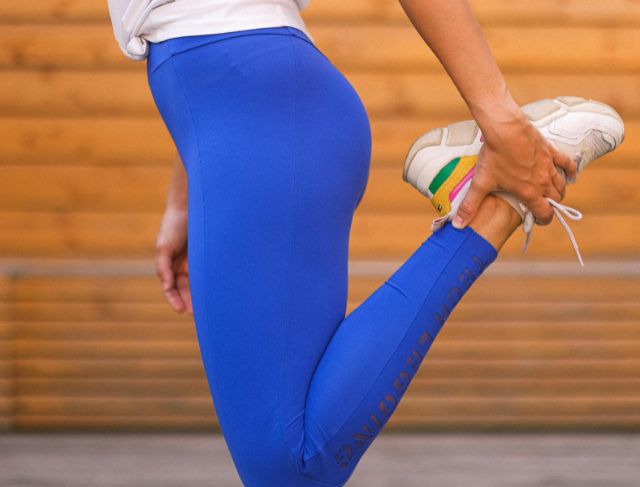
Those comfy leggings you like to wear on flights may not be the best option after all. Even though comfort has always been the primary factor when selecting a clothes for travel, there is now some evidence to suggest that safety experts are beginning to raise concerns regarding this type of wear.
Consider a situation to illustrate. In an emergency event (fire in the cabin or crashing), your clothes become much more important to you than how you felt about them during the flights. This where leggings could present an issue for you.
Most leggings are made from synthetic material(s). When exposed to heat, these materials could melt and also adhere to your skin creating additional injuries. Conversely, most natural materials, such as cotton, will not burn in this fashion. Therefore, in this case it is recommended by aviation safety experts, to wear clothes that are made from natural fabric(s) instead of synthetic(s) for travel purposes.
Mid-flight comfort is most definitely important — but add to that, mobility and safety. Tight clothing can also make you feel uncomfortable for many reasons.
Skinny jeans may look great; however, they will prevent you from moving easily. If you need to leave an area quickly, skinny jeans may hinder you from doing so. Secondly, wearing tighter clothing around your waist will make you uncomfortable because of how cabin pressure changes during your flight.
Once you reach cruising altitude gases in your body expand, causing your stomach to appear bloated and if your outfit restricts this area of your body, it will be more obvious. This detail may be insignificant in a short flight; however, it can seem like a long flight in tight clothing.
You should also think about the health aspect of wearing tighter jeans on a regular basis. For example, if you wear them for an extended period of time you will increase your chance of developing circulatory problems which could result in deep vein thrombosis (DVT), a serious condition that affects blood flow to the legs.
Airplane seats aren’t known for being the cleanest things you can sit on. When you wear shorts, you have direct contact with whatever is on that seat through your shorts, whereas if you wear long pants you will have a barrier that may reduce the chance of skin irritation from direct contact with the bacteria on the seat.
Shoes are always best kept on when bouncing down the runway and once the plane lifts off, particularly during takeoff and landing. If an emergency happens, of which you must now evacuate quickly, walking on a surface that is hot, cold or with something on it is not what you want to be doing.
Sneakers or some other closed toe type of shoe are by far your best bet as they will help protect your feet and provide you with a greater degree of mobility should you need to get out of a hurry.
So where does that leave you? Comfort is still important, but it should not come at the cost of safety. Wearing clothes that are made from breathable, flexible materials and preferably natural fibers would be your best choice.
You don’t have to give up your style, just have to think about it differently. Wearing outfits more loosely, using natural fibers, and finding shoes that will work in an emergency will change your life in the event of having an emergency.
What you wear on an airplane goes beyond simply looking good or being comfortable. There are also many things that can occur on an airplane that you may never experience again, but you should be mindful and ready for these.