Europe’s airline industry is experiencing too much inflation, which has caused major disruptions through airlines, airports and air travel. Currently, this situation is not only temporary; it is evolving into a chain reaction of fuel prices rising and world tensions rising.
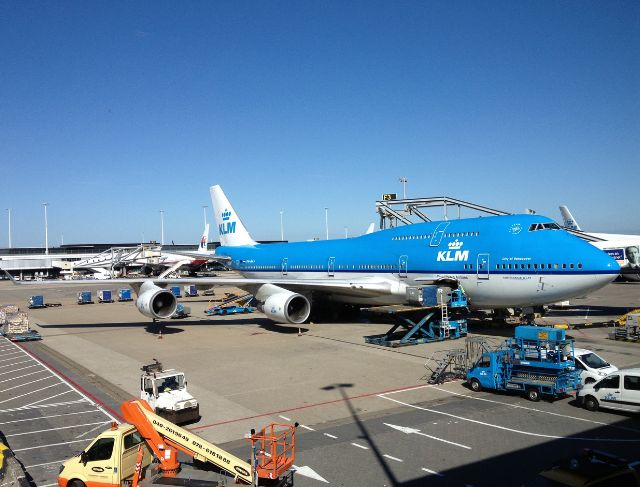
Schiphol Airport in Amsterdam is an example of the pressure that has come to bear on the aviation sector, as they have recently decided to lower their service fees. Starting late April 2026 until March 2027 airlines operating their day time flights will receive an additional ten percent off their service fees. This is a major discount for these airlines and represents an extreme change in how airports are handling their pricing.
While this reduction in pricing may sound like a typical marketing strategy, it is actually a defensive reaction to the current state of the aviation industry. Airports typically do not cut prices unless something is causing them to lose business at an extreme level.
Airlines are really feeling the pain of rising fuel prices; fuel expenses are a major part of an airline’s budget with fuel representing roughly twenty-five percent of an airline’s total expenses. So, if there is a small increase in fuel prices, that increase will have a large impact on an airline’s budget.
However, the recent price increases in fuel prices are unprecedented. Within a few weeks, prices have gone from USD 85-90 a barrel to USD 150-200 a barrel. As a result, airlines are going to have to rethink their entire business model.
Is there anything being done by the airline industry? Airlines are cutting capacity, delaying routes, and increasing prices. Some airlines may even increase prices as much as 20% in order to stay in business.
Travelers will also experience less service and greater expense due to fewer flights and higher prices during busy parts of the year (spring/summer).
With the intention of softening the impact of the lack of flight availability and higher fares, Schiphol has put in place a discount to help airlines maintain their ability to fly at least for now.
While there is a cost associated with this, an airport representative indicated that it would negatively impact its financial performance for the short term; however, they believe long-term capital project budgets will not be affected.
When you look at the bigger picture, other issues become apparent. The ongoing geopolitical conflict throughout the Middle East has disrupted global supply chains of energy, specifically jet fuel.
This disruption is not just limited to the Middle East; it will have a global impact. European airlines are especially having difficulty with higher costs just as they plan for an increase in demand for travel in the busy summer months.
Airlines have already canceled some routes that go into the unsafe areas and have pushed back their operations until they are sure they can resume safely.
This situation is not only affecting the airlines; there are also several European countries who are trying to manage the distribution of gas by coming up with a policy that allows for better management of supplies of gas between all the countries in the EU, preventing any future shortages.
The goal of the entire system of gas distribution management is to keep the supplies moving efficiently so that airlines will not run into gaps in fuel supplies that would lead to many more canceled flights.
The industry is not just dealing with Dusseldorf Airport and one certain airline’s operational issues; the whole system has been given a huge challenge that will affect all airports in Europe.
As prices of tickets go up and the number of flights decreases, travelers will have to face the impact of this entire system sooner than expected. Meanwhile, Schiphol is doing its best to keep the entire system functioning properly.
As for the airline industry right now, it is going through a balancing act as it tries to continue to operate during one of the most difficult years in operating costs.