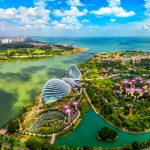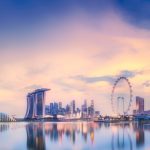
Many people arrive in Singapore thinking the city is one big futuristic building, luxurious malls, clean streets. But somewhere around the time that you arrive in Singapore at approximately 7AM, you’ll find yourself squished into a tiny coffee shop full of office workers, cab drivers, grandmothers, and college students, all yelling their coffee orders out loud in a language you will have no hope of understanding. And typically, this is about the time that you will discover the true charm of Singapore’s kopitiam culture.
Long before the rise of trendy cafes and expensive espresso shops throughout Asia, kopitiams were already very much a part of daily life in Singapore. These traditional coffee shops were never meant to be beautiful or Instagrammable; they served the purpose of providing workers with strong, affordable coffee to start their day and prepare to go to their jobs in the docks, at the markets, or on construction sites. Over decades, these humble roadside stalls gradually transformed into one of the most iconic representations of Singapore’s culture.
In many countries, ordering coffee is an easy process; however, when you order coffee in Singapore it seems as if you have just gone through a foreign language class! The Terms used to order coffee and the different names (Kopi O Kosong Peng, Kopi C Siew Dai, etc.) can sound like a special code to the average tourist that has never heard of these before.
Part of the confusion over the terms/ordering of coffee in Singapore comes from Singapore’s multi-ethnic make-up. For example, “Kopi” is Malay for coffee, while “Tiam” is a Hokkien expression for shop (or place where you would order your coffee). The coffee that is served there is also a by-product of the diverse immigrant communities (i.e. Chinese, Malay, and Indian) that settled in Singapore.
Unlike modern coffee – which has recently emphasized the geography of the coffee bean – Nanyang coffee is primarily focused on the roasting method rather than the coffee bean itself. For example, typically, robusta beans are roasted with sugar, margarine, and sometimes salt. As a result, Nanyang coffee has a rich and robust flavour, along with a slightly caramelized aroma that differs from the standard black coffee served in other western-style cafés.
Then there’s the brewing process, and this can be another stand-alone experience. Many kopitiams don’t have fancy espresso machines, but instead still use the cloth coffee sock method to manually filter the coffee. Watching the masters pour the coffee back and forth between two metal containers almost seems like a performance. It happens quickly, and is very functional; yet somehow it produces coffee that tastes oddly more full-bodied and heavy than you thought.
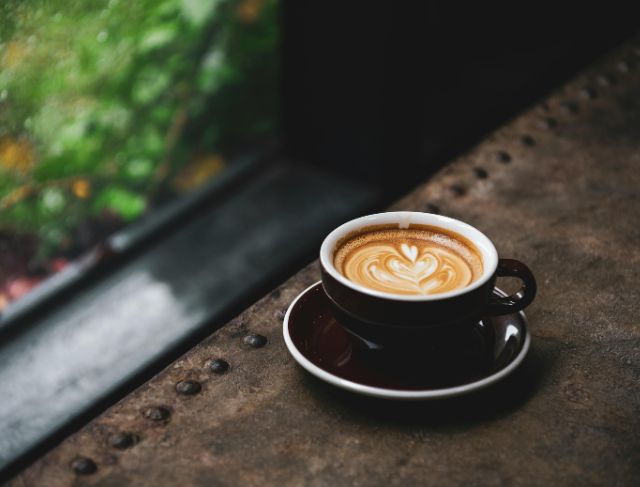
The most commonly ordered drink in Singapore is Kopi O. The “O” indicates that this drink will be served without milk (black). However, there are various degrees of sweetness in Kopi O, and even the local residents have their own preferences. Some like it strong and bitter, while others prefer sweetness (to tone down the intense roasted-flavor of the coffee) when drinking it. If you like a strong cup of coffee, the Kopi O will likely become one of your favorite types of coffee.
Another popular beverage that is frequently ordered by international visitors is the Kopi C. Frequently this is because of a recommendation from a local. The Kopi C is made with evaporated milk rather than condensed milk, so, while retaining a creamier taste than Kopi O, it is not overly sweetened. The “C” in Kopi C is thought to come from using the brand Carnation (an evaporated milk company) many years ago by traditional coffee shops.
For those that like cold coffee, they typically choose to order Kopi Peng. “Peng” means iced, and in Singapore’s humid climate, drinking an ice-cold sweetened cup of traditional coffee can serve as survival gear more than merely a beverage. It is especially popular during hot afternoons, when Singapore feels like a big outdoor sauna:
Another drink that can also be called Yuanyang or Yinyang is a mixture of coffee and tea combined with condensed milk. At first, it may seem odd to try a combination of those three items, but many locals can’t get enough of it! The taste is somewhat between milk tea and strong coffee, with an unexpected easy finish.
Kopitiams are special because of the atmosphere and not just the drinks. They are a social environment where the everyday or daily events occur naturally. Elderly patrons will read the paper for hours, business professionals will conduct business over toast, and friends will spontaneously meet after work without any particular plans. Some patrons will visit the same kopitiam daily for decades.
Food greatly contributes to overall experience, especially breakfast. The combination of traditional kaya toast and soft-boiled eggs is essentially the unofficial breakfast partner of Singaporean coffee. Although it may seem strange to visitors; locals consider that there is nothing better than dipping crispy toast into runny eggs while drinking hot kopi.
Coffee consumption is also high. Hong Kong’s eating habits are centred on mini-meal breaks — from breakfast to late-night supper, eating is done-multiple times a day (6, 7 or 8?). Consequently, Kopitiams are visited by locals at all times of the day as well; some go in the morning and the afternoon for Monday or Thursday at night.
Many people in Singapore also add butter to their coffee, referred to as “Kopi Gu You.” While this drink may sound heavy, it is claimed that the addition of butter creates a rich and smooth taste. Depending on your preference, first-time visitors may find this drink to be either comforting or shocking.
Most visitors believe the best coffee experience can be found at luxury cafes located within shopping malls. Ironically, many travellers have found that the most memorable coffee experiences are actually found in tiny old-fashioned kopitiams. There is something wonderful about drinking coffee from recipes developed over many years while being seated among locals on plastic chairs.
The kopitiam tradition still ties strongly to Singapore’s identity, despite Singapore’s modernization. New cafes spring up continually, and traditional cafes fill with customers each day. This shows how important familiarity and routine are to locals as well as how connected they are to food and flavors associated with childhood.
For visitors to Singapore, learning a few kopi terms would make ordering coffee at a café feel more authentic. Ordering like a local gives you a different experience. The café will no longer appear to be a tourist attraction; rather, it will become a small part of Singapore’s daily life.