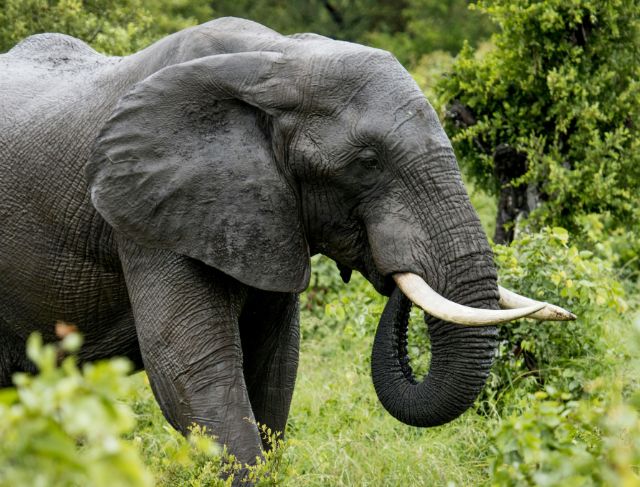
A family vacation to southern India turned into a tragic loss of life when a tourist died in the midst of a surprise elephant brawl at one of Karnataka’s most popular attractions for wildlife tourism, the Dubare Elephant Camp. Generally known for its gentle river baths, its jungle experience and its close (but safe) interaction with trained elephants. On this occasion, tourists gathered by the waterside to observe the elephants take their bath, one of the camp’s main tourist attractions, were enjoying the peaceful surroundings with their families and children and were professionally photographing these beautiful creatures. Then as they watched, everything changed in seconds.
Witnesses on the scene said that the crowd of tourists assembled on the lakeside area of the camp was calm at first until 2 trained elephants, Marthanda and Kanjan, were being guided by their mahouts toward the lake. Without warning, one of the elephants nudged the other, and the calm atmosphere quickly turned into chaos when the two huge elephants began to fight right in front of many amazed onlookers.
At the time of her death in the Kodagu District, she was a 33-year-old female tourist who had travelled from Tamil Nadu to Kodagu as part of her family’s vacation itinerary. The incident occurred during a fight between elephants at the elephant camp where the family was staying and must have happened due to some kind of aggressive behaviour being exhibited by the elephant involved at the time of the incident (not all aggression is due to male elephants being in musth).
Forest officials stated that although the elephant involved was not in musth at the time of the incident, it was their belief that musth would have no impact on the elephants’ behaviour in that specific situation, and thus the fighting would have occurred regardless of whether the elephant was in musth.
Following the tragedy, the elephant camps of India are under scrutiny regarding the safety of their visitors as they relate to how closely they may approach animals. This includes how closely they may approach elephants while they are bathing, which is a major attraction for many visitors who are taking photos and videos of their experience for use on social media platforms.
After the incident, Karnataka’s Forest Minister directed the establishment of new stringent guidelines on wildlife tourism in the form of safety measures for visitors to wildlife tourism sites that include elephants. These guidelines will require visitors to stay no closer than 100 feet during the washing and handling of elephants by their trainers.
It was also emphasized that tourists should never approach elephants for the purpose of taking a selfie, feeding an elephant or for close-up photographs. Many people visiting wildlife tourism sites underestimate the unpredictability of even trained elephants, especially in a large and busy environment with loud noises, large crowds and sudden movements that may have a negative effect on animals.
In Karnataka, the Dubare Elephant Camp has historically been one of the main wildlife viewing destinations in the state. Many visitors come to the camp to view the training of elephants, river baths with elephants, and the activities of elephants in the jungle. Because of their constant exposure to people, many of whom are first-time visitors to the camp, they may mistakenly believe that they are totally safe.
According to animal behavior experts, while instances such this do occur, they are usually considered rare and not that common. Additionally, elephants that are domesticated also can exhibit extreme strength and surprise behavior when stressed or challenged in regard to hierarchy, or aggravated, due to their size. As a result of their size and weight, even the fastest and most brief of altercations between two elephants can lead to dire circumstances immediately following the confrontation.
This incident has re-ignited discussions in the online community regarding wildlife tourism and if the interactions between tourists and large wildlife should be curb further with either or both stricter crowd control methods and/or increased safety briefing regarding the importance of remaining At Least Twenty Feet Apart From Wild Animals.
Forest officials were on the scene shortly after the accident and are possibly reviewing operational decisions; staff coordination; viewing distances of visitors from wildlife.
For many tourists who have scheduled trips to India for the purpose of experiencing wildlife tourism, this tragedy can serve as a reminder of how Nature Cannot Be Completely Controlled; and that at established successful wildlife tourism facilities, the utmost respect for safety limitations is imperative when dealing with wild animals.