
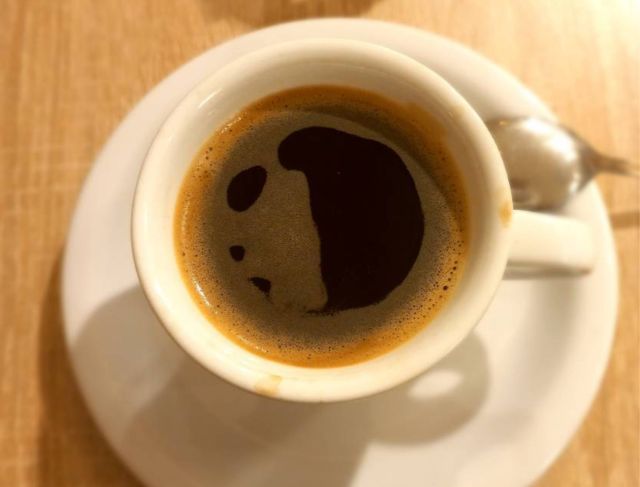
When you go to the Philippines, you must try Kape Barako if you want to experience the culture of the Philippines. It is more than just coffee; it is an entire cultural experience wrapped in a cup of coffee.
Kape Barako is bold, strong, slightly smokey and deeply rooted in history. It is fast becoming one of the top-selling items for people who visit the Philippines.
Just imagine sitting down after waking up at 4 a.m. and listening to the rooster crowing and drinking a cup of thick black coffee that will knock your senses back. That is the traditional moment associated with Kape Barako.
Workers and farmers used to drink it before dawn to prepare for long hours of labor in the hot sun.
The powerful masculine image is where the name comes from as well.
Therefore, Kape Barako is meant to be a representation of very powerful coffee with a powerful, bold personality.
It is an excellent representation of the entire product.
Very high in caffeine, with a very strong aroma and very strong flavor.
Not necessarily coffee that you sip slowly without realizing it is there.
This coffee will wake you up in the morning and immediately put you to work.
When brewed, Kape Barako is served hot and black while also being bitter. Not everyone enjoys this style of coffee; therefore, many will add Muscovado (raw cane sugar) to help soften the flavour.
If Kape Barako has excess sweetness added to it, there has been a change in the identity of Kape Barako – which must always be presented as pure, raw & honest.
The source of Kape Barako is Coffea liberica. Most typical coffee trees grow about seven (7) feet high, while Coffea liberica can reach 17 meters in height and grow similar to tree-like plants in the forests.
Kape Barako has a fruit-forward flavour profile that has wood tones and some smoky nuances while maintaining a well-balanced aroma profile.
Kape Barako has many unique flavour characteristics compared to both Arabica & Robusta (two more common types of coffee).
Kape Barako was not originally grown in the Philippines. Kape Barako was first introduced into the Philippines, when the Spanish missionaries brought Coffea liberica seeds from Liberia (Country, West Africa) and planted them in their church horticultural gardens (1700’s).
The coffee market in the Philippines underwent a drastic transformation in the 1880’s due to a worldwide epidemic of coffee rust/diseases affecting robust coffee crops, such as Arabica –however, Coffea liberica was resilient to those same issues and did not suffer like the Arabica coffee plants.
Coffea liberica is now the major coffee type grown in the Philippines and will continue to grow in popularity.
Kape Barako, commonly referred to as Batangas or Cavite coffee, is still harvested by local farmers using traditional methods that continue to be passed down through generations across the Philippines. Today, the coffee is predominantly produced in these two provinces (Batangas and Cavite) that have strong historical ties to coffee production; however, they have both maintained their heritage while also adapting to the changes brought on by modern coffee shops in the country.
The locals have much pride in producing authentic Kape Barako.
For any traveller, Kape Barako makes a wonderful souvenir because it is lightweight, compact and carries an amazing story to tell when you return home.
In reality, you are not just bringing back coffee; you are bringing back a piece of history and culture from the Philippines.
This adds to the already special quality of Kape Barako in comparison to other types of souvenirs.
Kape Barako is more than just a drink; it represents the struggles of an entire country throughout its history, and through every generation that has produced it, it has created a rich culture around it.
The journey that Kape Barako has gone through is a great representation of how culture and flavour come together to create something remarkable, and it can be traced all the way back to the Spanish colonial days, through today’s wide variety of tourist destinations.
So if you find yourself travelling to the Philippines, do not settle for buying keychains or magnets; purchase a package of Kape Barako instead.
After all, some of the best souvenirs are those you can enjoy long after you return home and remember your experience.


