Bali Has Been Removed from the List of Places to Avoid. Yes, the island that was used to be included in the “Avoid” list due to over-tourism and too much cultural strain has now been removed from that list for the year 2026. However, Bali’s removal from the list does not mean that the world is going to stop finding new places to avoid. Many other countries and cities are calling for some type of moratorium on tourism for both environmental and social reasons.
This is what’s really happening with the “No List.” It is a public statement and is not meant to punish anybody. The purpose of the “No List” for 2026 is to give travelers a signal to take a breather from some of the more popular destinations. Some places have become significantly overcrowded, some places are being affected by climate change, and some places have become socially unstable due to excessive tourism. Some destinations simply cannot take the dramatic increase in tourism that another year of mass tourism would cause.
The 2026 no-go destinations include the following:
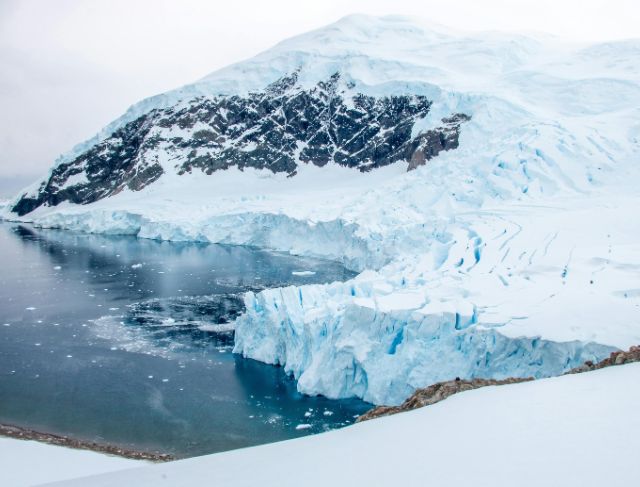
Antarctica has become a place where it doesn’t want tourists, their money, or their presence. In the year 2023-2024 alone, Antarctica had already received over 120,000 visitors without any promotion and projections for 2033 indicate that visitors to Antarctica could increase by another 120,000. There are researchers who have argued that massive tourism will destroy the environment and an untouched area of the Earth; and that this should be avoided where possible. The original reason for wanting to go to Antarctica was to promote awareness about the environment; and this still holds true.
Tourists are flocking to the Canary Islands, and locals have had enough of sharing their land with so many of them. In the first six months of 2025, 7.8 million visitors came to the islands. Residents have shown their frustration at this amount of visitors by marching through the streets with banners that read, “The Canary Islands have a limit.” Due to the influx of tourists, rent prices have risen dramatically, traffic has become congested, and the ecological impact is overwhelming.
The city of Isola Sacra is experiencing similar problems due to the construction of a large port. This new port will create further development of the coast, which will lead to erosion and increased pollution. Cruise ship traffic is going to add to the growing congestion of the already-busy streets. Because of the lack of infrastructure to handle this increase in vessels and people, the pressure of creating new ports will create a domino effect that no one anticipated.
Mexico also has been hit hard by tourism. In various areas throughout Mexico, there is an increase in gentrification and an increase in short-term rentals. Residents have been displaced from their homes and their communities, and they are losing their identity. The majority of the economic opportunities in these areas are based on tourism and a growing population of foreign remote workers.
Mombasa, Kenya, is dealing with many of the same impacts as the other countries on this list. Beaches are covered in pollution, the streets are severely congested, and there is a growing increase in crime directed at tourists. Until Mombasa conducts an adequate capacity study and develops a management plan, this city will continue to face challenges.
Montmartre, France, is losing its appeal to tourists. Crowds, limited real estate prices, and a dilution of culture have stripped this historical area of its unique charm. Residents feel like they are extras in their own neighborhoods.
Visit Glacier National Park in Montana
Climate change and flooding from the increasing number of visitors are affecting Glacier National Park. The park administration is trying to strike a balance between preserving the park for future generations and accommodating the visiting public’s needs.
Visit Jungfrau Region, Switzerland
Jungfrau Region is being overwhelmed by mass tourism and climate change, which is affecting the area’s natural beauty. The local people are feeling the pressure from tourists, and there is a great deal of traffic congestion. Residents are struggling to find adequate housing. Every paradise has limits.
Each destination listed here is being overwhelmed by at least one of three factors: environmentally, socially, or culturally. Some destinations are having their landscapes ruined by tourists; others have become so popular that they have lost their unique feel.
The goal of Fodor’s list is not to ‘shame’ anyone for using the included destinations but to encourage travelers to consider alternate destinations. By doing so, you will allow these popular travel destinations to heal themselves.
Bali was placed on the No List due to three familiar problems:
1) The amount of traffic,
2) Waste management problems,
3) The eroding culture due to irresponsible tourism.
Due to recent changes, improvements and changing patterns of tourist behaviour, Bali was removed from the warning list for 2026; this is not to say that Bali has become a perfect destination but simply that the spotlight has shifted onto those locations currently suffering more.
Tourism is good – until it’s not. All destinations eventually “break down” when there is too much love for them and the No List does not exist to create hysteria within the travelling community; it exists to remind travellers that the world is far more extensive than the eight overworked destinations currently on the list.
Rather, the No List is intended to aid in the traveler’s decision process by encouraging them to consider alternative routes and making more responsible travel decisions.
So, where will you travel to next in 2026? Just be sure to ask the destinations you’re planning to visit if they want you to be there!