Australia has put up a different travel advisory for all its citizens wishing to travel to Japan. This week saw a tremendous earthquake occurring in Japan’s Kumamoto Prefecture. This is irrespective of the fact that Japan has been one of the most favorite holiday spots for Australians especially in summertime. With multi-disciplinary festivities and mountainous jaunts, it has always attracted a huge number of tourists.
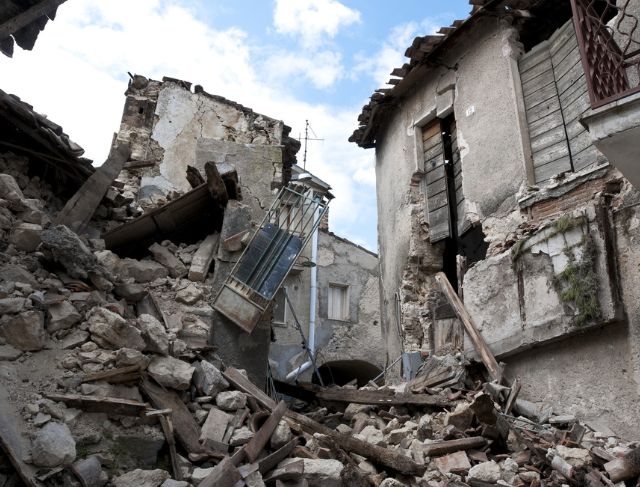
The worst thing about this earthquake is not the earthquake itself but the deadly aftershocks related to this earthquake. Over a hundred aftershocks have occurred in this region leading to fear in the minds of the residents and rescue workers. Even after days have passed since that earthquake rescue teams are still searching for survivors.
As if this wasn’t enough to deal with, it is summer in Japan and thousands of evacuees are housed in evacuation centers due to power cut and destruction caused to many neighborhoods in the region.
The Smartraveller program in Australia acted quickly to revise its travel information. Rather than asking visitors to cancel their travel plans, officials suggested that travelers present in Japan keep listening to the directions given by authorities, stay updated through the notifications of the earthquake and tsunami events, and assess the situation before moving outside the region affected.
The impact on people has been tremendous. The Japanese authorities have reported many cases of death and even more victims suffering injuries. Hospitals are attending to victims in addition to emergency teams working nonstop to come to the affected regions.
The most striking rescue operation is ongoing at the shopping mall in Kashima. Several hundreds of rescuers were sent to the scene of the incident. Reports before the crash claimed that the issue is either an explosion of the gas pipe or collapse, although further investigation will clarify the details of what happened. However, it is known that the shoppers were evacuated immediately after the earthquake took place.
This cataclysmic event has disrupted big industries, too. At Nippon Paper Industries located in Yatsushiro, workers were trapped inside the factory because of the destruction. Some chimney collapsed, as well as parts of the building underwent structural damage. In this case, it was necessary to bring rescue crews in to secure the site of the accident first.
Instead, the transportation system was hit hard. Roads have been damaged, transportation infrastructure has been damaged. Train services have been canceled and flights were delayed. For those who are not familiar with the area, it will be even harder to cope than tourists who have just suffered from an unanticipated delay.
Also, even the most spectacular landmarks of Japan could not escape the effects of the earthquake. Kumamoto Castle suffered even more damage to its stone walls-the castle was under reconstruction after a powerful earthquake.
Although earthquakes tend to dominate news coverage, local authorities are also sounding alarms about the other seasonal threats to bear in mind, namely the seasonal heat wave. Between July and September, temperatures in Japan can soar, sometimes reaching dangerous levels. That’s when local authorities start issuing heat advisories urging locals and tourists to drink lots of fluids, avoid outdoor activities, and know the signs of heatstroke.
Japan remains one of the most popular travel destinations for Australians with over a million Aussie travelers visiting the country in the last few years. This popularity is not about to wane, still natural disaster occurrences clearly demonstrate how significant preparedness is when traveling to disaster-prone countries.
Right now, the main focus is on rescue operations, relief efforts, and safety. Tourists shouldn’t panic when planning their trips but should remain vigilant and ready for changes in the situation.