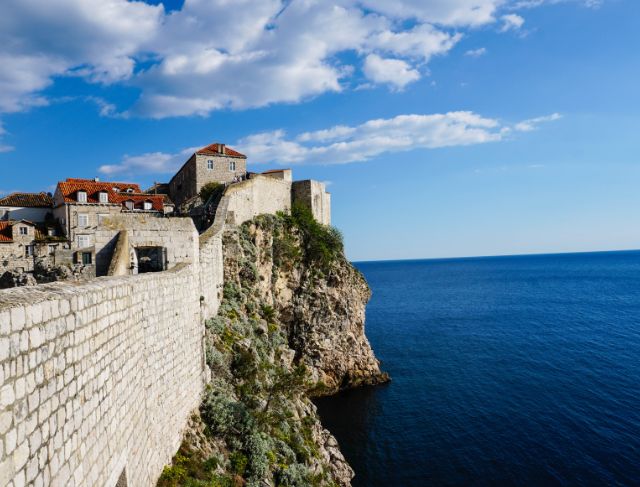
Let’s face it: some places are on high alert for rising sea levels and pesky tsunamis. This is why massive sea walls exist—structure that defends the land against waves. Consider them superhero shields, swooping in to protect places with fury-filled waters, but carved from concrete and steel instead.
Some countries don’t flinch at spending billions because it’s not about looks—it’s about survival. Come with me on a journey to countries that have fully committed to turning the waves into drivable prices and awe-inspiring structures.
Japan: High tech country
Isn’t it evident that Japan takes their coastal reign and tsunami fears seriously? After the heart-wrenching Tohoku disaster of 2011, costing upwards of 20,000 lives, they dropped $12 billion on a mega project tsunami wall that spanned a staggering 400 km and reached an astounding height of nearly 15 meters. A portion of it extending 25 meters below the surface—like an iceberg, but in reverse. And yes, they used geotextile technology to mitigate impact, not just plain concrete, but sci-fi concrete.
Netherlands: The Sea Wall Masters
They have been contesting with the sea for centuries, and the Afsluitdijk is proof. This 32 km long and 90 meter wide beast which still stands strong was built way back in 1932 and features floodgate intelligence. They’re always modernizing it too because… sea level is not exactly decreasing.
South Korea: Wall with a Twist
Saemangeum project in South Korea is the longest man-made sea wall in the world coming in at 34 km. But here’s the twist: It wasn’t just built to stop flooding. The wall serves a dual purpose as a part of giant eco-friendly land reclamation project intended to foster industries, farms, and even a bit of tourism. It protects over 400 km² of new land for fortified government investment of over $20 billion.
Indonesia: Battling the Tide in Jakarta
Jakarta has been battling tidal floods (or “rob”) for years. Some regions go underwater unannounced during high tide. The answer? A gigantic sea wall stretching almost 950 km from Banten to East Java. The first section of the wall is already up in North Jakarta. Other sections are part toll road including the Semarang-Demak project. Indonesia is slowly, but surely building an ocean defense system.
Chinese: Relic Preservation
Imagine the Fengxian Sea Wall in Shanghai. This is one of the oldest surviving defensive structures in the world. Parts of it have existed for centuries. Originally designed to guard against floods and piracy, it was modified and expanded. It is said to stretch nearly three hundred kilometers along the shoreline of Shanghai, and in modern times it serves the dual purpose of flood prevention and assistance to maritime commerce. The wall is a stone structure that represents engineering of ancients’ deep understanding of hydraulics.
Italian: MOSE and the Sinking City
What about Venice? Italy’s solution? An elaborate flood prevention system composed of mobile barriers that activate during high tide. Known as the “Modulo Sperimentale Elettromeccanico,” french for mock-up experimental electromechanical module, it helps prevent the city from flooding more than it already does during high water. Though it is not inexpensive or simplistic in its construction, it has preserved the tourism industry along with the gondolas that the city’s canals support.
The sea walls are more than just a means of holding back water – they are for preserving lives and living conditions as well as entire civilizations. Modern technology makes it possible for some countries to use them as a last line of defense against potential a disaster. One thing is clear – no matter whether they are built using centuries old stonework or employing sleek modern techniques, all of these countries have decided that when the sea gets aggressive, they’re more than happy to push back.