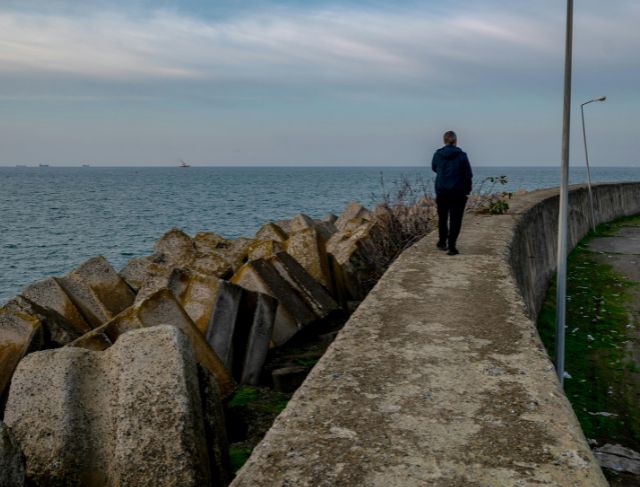
Cities located along coastlines must quickly begin construction of large defensive structures, such as sea walls, to safeguard against the damages associated with a rise in sea levels. Governments in Asia, Europe, and elsewhere are racing to adapt their urban planning, engineering skills, and infrastructure to accommodate the threat presented by a combination of rising water levels, sinking land, and more routine flooding along coastlines. Some cities have made progress, while others are still working on solutions, but one certainty is that inaction is not acceptable.
In contrast to the situation cities face today, the issues related to the rise in sea levels due to climate change were not the initial subject matter or focus. The issue is occurring with a level of secrecy that is increasing annually, as cities around the globe find themselves challenged with a problem that has resulted from the interaction of the combination of rising sea levels, sinking land masses, and water intrusion into coastal cities. Due to their low elevation around the ocean, coastal cities are essentially situated on the forefront of climate change, and if action is not taken, significant portions of these cities may ultimately not exist at all, and could literally be lost forever.
For example, Jakarta, Indonesia, is experiencing a combination of rising sea levels in addition to rapid land subsidence. Portions of Jakarta are subsiding at a rate that is staggering, approximately 17 centimeters a year in some sections, which is not an insignificant rate of subsidence and therefore should be addressed promptly.
In response to the threat of rising sea levels, Indonesia is building a major sea wall along its northern coast that will stretch about 32 km long. Not only does this construction project serve as a barrier against flooding rather than an actual dam or dike; but it will also serve as an integrated facility to safeguard homes, prevent saltwater infiltration into fresh water reserves, and ultimately provide long-term solutions to flooding in coastal areas.
Indonesia is not the only country making use of large-scale seawall construction; numerous other nations have constructed similarly sized (or much larger) seawalls based on their own specific requirements.
For example, South Korea’s Saemangeum Seawall (estimated to add nearly 34 km of length) is frequently referred to as the world’s longest seawall, although in addition to serving primarily defensive purposes, this project has also resulted in an increase in developed territory that can be utilized for agriculture and commerce, and provide space for tourism. Thus converting a potential disaster into an economic success story demonstrates how large-scale seawall projects can be multipurpose assets for use by different sectors of society.
The Netherlands exemplifies another country with significant ongoing efforts to construct a series of megaproject type structures and facilities. Because the Netherlands is below sea level, this country has no other choice but to find innovative ways of coping with the adverse effects of high volume water flows caused by periodic surges. The Delta Works, or along with the existing flood control methods, incorporate dams, flood barriers, and advanced flood control methods into an overall water management structure that contains the necessary components to meet the ongoing challenge posed by periodic high volume ocean currents and flood flows from hurricanes and typhoons.
The development of this defense system began after a major flood devastated the Netherlands in 1953. Academics and engineers have worked to make Dutch flood defenses among the best in the world over the last 60 years.
Venice also has its own system of flood protection but uses a different approach. Venice is well known for its canals but also for the flooding that occurs in those canals. The City of Venice has developed the MOSE flood defense project to protect itself from flooding due to high tides and storm surges. This system includes movable flood barriers that can be raised or lowered depending on the height of the water during a storm or a flood.
The MOSE project is very similar to a gated entrance: the gates remain open until it is necessary to protect the city from flooding, and then they will close to prevent water from entering the Venice lagoon. This is a very useful floating flood protection system for a city that does not want to use permanent structures.
Flood protection systems, such as the MOSE project, are exceptionally complicated. They cannot simply be constructed by “pouring concrete in the ocean.” Engineers must consider waves, weather conditions, shifting earth, and other environmental issues when designing a flood protection system. A single error in the design of the flood protection system can result in billions of dollars wasted or, even worse, the system failing at the very time it is most needed.
Is one type of sea wall enough protection?
The answer is “maybe.” They will definitely provide some measure of protection against wave action, but they are really only part of a larger issue involving climate change, urban development issues, and the need for sustainable development.
For many cities that are already located in coastal areas, the construction of large sea walls has served as a primary means of protection from flooding due to rising tide levels. Cities that have not yet had any sea walls have an immediate risk of flooding because of rising tidal levels without any sea wall protection.