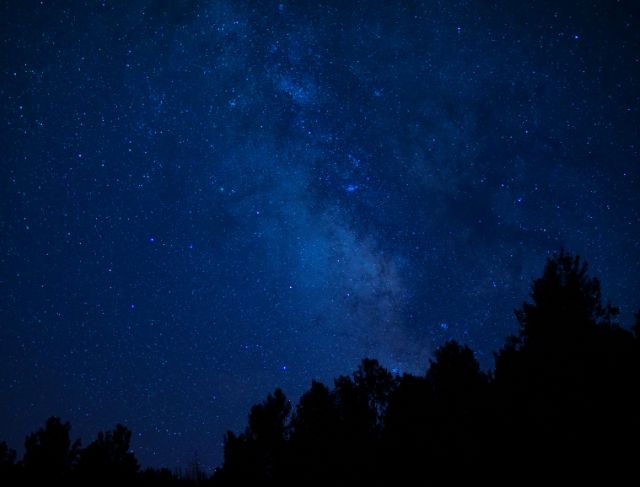
For many, a great vacation usually means relaxing on a beautiful beach or sailing on a luxurious ship or visiting an iconic site in a big city. But there’s been a movement building, and it’s far from the typical travel experience that’s been around for a long time. By 2026, many travelers will be looking up—up at the stars and planets and any number of astrological displays in clear night skies—as they pursue the fastest-growing travel trend in the world: astrotourism.
Unlike their vacations in touristy areas with lots of people or just lying on the beach, many people are heading to the remote parts of the world, where the night sky is unaffected by artificial light and can be seen without being impacted by the artificial lights of modern civilization.
A primary driver of this trend is that naturally dark skies are quickly disappearing. In fact, even in many cities, seeing the Milky Way Stars has become impossible because of light pollution.
The loss of seeing numerous stars with the naked eye has generated a keen interest from explorers wanting to witness what earlier generations of travellers took advantage of enjoying. The experience of seeing many stars has become a unique experience as dark sky tourism is getting more popular than before.
Around the world, many of these places have been used as destinations for those who love to look at the stars. The Atacama Desert in Chile is still one of the top choices because of its high elevations, dry climates and extreme clarity of the night sky. This area has almost top of the line conditions for viewers of the universe and has been attracting numerous visitors, both experienced and inexperienced, as well as professionals in astronomy.
Another area that is starting to be recognised as an astrotourism destination is within the African continent. Namibia’sin massive deserts has some of the darkest skies in the world due to its distance from large populated cities. Accordingly, visitors will have the eye-popping views of the stars; of the constellations; of meteor showers; & of galaxies far away; without any artificial light obstructing the view.
The Wadi Rum desert (Jordan), in the Middle East, is another desired location as both the spectacular desert scenery and the undisturbed dark sky creates almost surreal feel.
More and More Island Destinations Are Getting Into The Trend. For example, The Maldives Are Known For Their Beaches And Overwater Villas. But They Are Now Promoting Stargazing Experiences At Night. Guests Can Stargaze At Isolated Islands Far From Large Sources Of Light Pollution.
New Zealand Has Become Among The Best In The World At Preserving Dark Skies. The Aoraki Mackenzie Dark Sky Reserve Is One Of The Best Places On The Planet To Observe The Heavens. Because Of Strict Lighting Regulations, The Area Has Maintained Perfect Viewing Conditions For Years Now, Attracting Visitors, Researchers, And Photographers From All Over The World.
Even Countries With A Lot Of Light Pollution Have Found Ways To Preserve Dark Skies. Places Such As The Brecon Beacons In Wales And Some Of Utah’s National Parks Continue To Attract Visitors Who Want To Experience The Natural Night Sky Firsthand. These Examples Show That Preserving The Darkness Can Be A Major Benefit To These Areas’ Tourism Economies.
Various other factors contribute to the growth of interest in astrotourism that go beyond just observing the cosmos. The paradigm shift in people’s lifestyles toward finding more mindful, relaxing moments and distance from screens has led many travelers to enjoy time spent under the night sky among the stars, which creates a sense of tranquility, which is hard to come by during our busy and digitally distracted lives right now.
Another factor that has helped to fuel interest in astrotourism is social media and the sharing of breathtaking images of astrophotography. As these images are made available to view online, many people who see them are inspired to recreate similar experiences. Photographs of beautiful glowing galaxies, meteor showers, solar eclipses, and lunar eclipses have generated a global interest among travelers.
In addition to making space travel more appealing, significant astronomical events are becoming major motivators for travel. The same way that people used to travel for festivals or sporting events, now they are traveling long distances to view such things as solar eclipses, meteor showers, and rare planetary alignments. The ability to see an astronomical phenomenon in-person has evolved into a bucket list item.
The growth of astrotourism is not going to stagnate anytime soon; rather, the economic growth of astrotourism has become extremely noticeable. Analysts estimate that astrotourism is a billion-dollar industry currently, and it is expected to have a massive growth trajectory over the next several years. People in remote parts of the world who have been in the past unwilling or able to tap into the demand for destination tourism related to dark skies are now.
The same thing that draws tourists to various astrotourism locations can also endanger the fragile environment of those locations. The addition of roads, lodging and lighting projects could negatively affect the darkness of the sky that the tourist is visiting to enjoy during their travels.
Tthe continued lighting and growth of our world and its connectedness has made the night sky one of the world’s most valuable natural resources; the night sky has become more desirable because most people are constantly looking at screens, receiving notifications and missing out on the beauty of our skies. The growing demand for astrotourism shows that today’s tourists are looking for more meaningful experiences and moments of awe and connection with nature rather than just collecting souvenirs. Tourists can find instances of awe and education through locations like the Atacama Desert, the protected night skies of New Zealand and witnessing shooting stars from remote islands.
Today, more and more people are looking for vacations that are focused on finding the best night sky rather than just looking for the best beach.