Before we discuss specific travel destinations, I must address an uncomfortable reality:he planet is becoming less peaceful each year, with the beginning of the decline occurring approximately in 2014. Since then, both the frequency and intensity of global conflicts have risen dramatically, and these conflicts have become increasingly complicated. The accumulation of political instability, geopolitical rivalry, and increased military spending throughout the globe continues to fuel these conflicts.
So in summary, each year it will feel more chaotic on the planet.
Globe’s Safest Places? More of the Same!
To help bring some cheer to the above situation, let us present a piece of good news: there has not been much change at the very top of the globe’s safest countries! That is actually a reassuring fact.
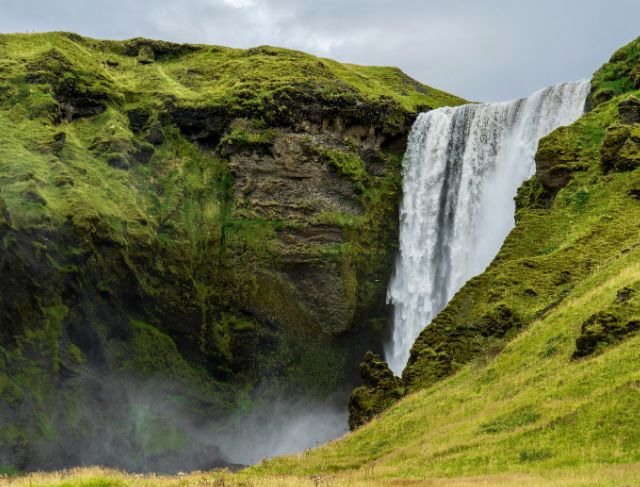
The safest places to visit in the year 2026 are Iceland, Ireland, and New Zealand; these three countries are all consistently ranked very highly for low crime rates, limited conflicts, and high levels of social trust.
Austria and Switzerland rank immediately after the top three, supporting the theory that calm, stable, and predictable countries are still perceived as safe.
Peaceful, but Not Perfect
Looking at things globally, the safest places to visit in the Western and Central European regions are still among the safest places on the planet, but do not think for one moment that because these regions are considered to be safe, that everything is perfect. Rising levels of social tension, declining levels of trust in government and institutions, and budget reallocations away from educational and health services to defense spending are to be watched closely.
What is of particular interesting observation is that Germany is ranked amongst the top 20 countries; Spain is ranked amongst the top 25; and United Kingdom is ranked at approximately number 30. While these are not dangerous countries, they are certainly not ranked in the top tier for the world’s safest countries!
Travelers consistently inquire about two issues and require similar responses, “Which areas of the world are safe? Where should I exercise caution?” The Global Peace Index provides insight by ranking 163 countries/territories reflecting nearly four hundred (400) million people on the planet.
These rankings are based on actual statistical data (as opposed to people making their own assumptions based on how they feel about a particular country) and can sometimes be startling.
Where You Can Get Into Trouble
Countries that are currently in conflict, in the midst of political turmoil and experiencing humanitarian crises tend to appear at the bottom of the ranking list.
As of 2026, the most hazardous areas to travel to include; Russia, Ukraine, and Sudan are at the highest risk, followed closely behind by the Democratic Republic of the Congo (DRC) and Yemen.
Also ranking very close to the bottom are Afghanistan, Syria, South Sudan, Israel, and Mali.
This does not mean that every part of the country is necessarily dangerous; this just means that due to the current conditions, any travel to these places will be very uncertain.
Good And Bad News In The Rankings
Not all movement is bad; this year, For Example; Azerbaijan has improved its level of peacefulness, attaining its highest level of stability since 2008.
However, on the other end of the spectrum; Bangladesh has seen its steepest decline in rankings due to severe civil unrest and violent government repression.
So… Where Does This Leave Travel?
If you’re booking vacations for 2026, ranking safety isn’t about fear but rather about being aware. Non-violent countries generally provide for easier trips/shaking off more, less stress and fewer surprises. On the other end of this spectrum are areas that experience instability and should therefore require additional caution, preparation, and the ability to be flexible.
The earth is not going to end; however, it is changing rapidly. Knowing where there is still tranquility may just be your best travel decision in 2022!