Kyoto is not in a state of panic. The city continues to thrive with businesses that are not collapsing due to lack of tourism. In fact, the city has remained very peaceful and quiet throughout this period of uncertainty.
Strange Political Twist
Although there were fewer tour groups visiting Kiyomizu-dera, there were other issues happening in relation to tourism from abroad.
On November 5, 2025, the Prime Minister of Japan made public comments reaffirming that Japan supports Taiwan. This upset China.
China experienced a rise in Political Tension → issued a Travel Advisory against visiting Japan → and therefore, fewer travellers from China visit Japan than in previous years.
Because of this, Kyoto was affected by these consequences.
Quiet Streets… Not Completely
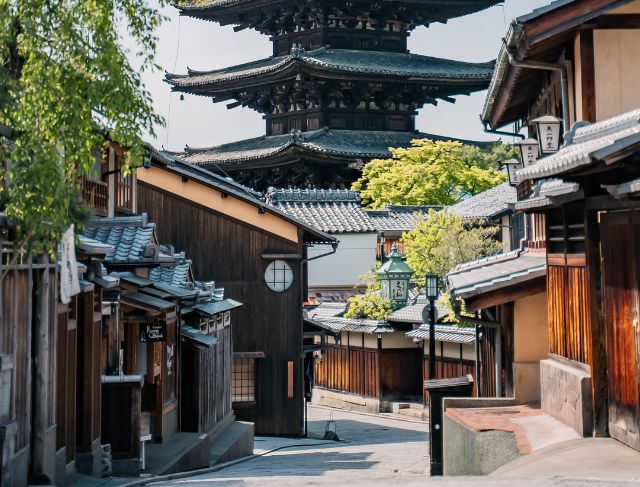
While walking through areas where large groups of Chinese tourists would typically walk: such as Gion’s old alleyways, or walking up the path to Fushimi Inari Shrine, you can clearly differentiate between how crowded those same areas used to be with thousands of visitors, and now they are quieter.
The local guide businesses, local shopping areas, local restaurants, and local hotel representatives all repeatedly say that during the busy time of year when Chinese Tourists visited Japan, the number of Chinese Tourists is significantly lower than before.
However, is Kyoto completely empty? Absolutely not!
The Unfortunate Blessing Nobody Wanted
Kyoto has struggled with the problem of ‘overtourism’ for many years. There were periods when it felt as if every street corner was filled with tourists, every bus was running at full capacity, and every resident was dodging a multitude of cameras just to get some food for themselves.
As a result, it seemed somewhat ironic that the decline in the number of Chinese tourists created an atmosphere of relief for the citizens.
During this decline, Gion’s narrow streets appeared a little less overwhelming compared to when many more visitors were present. Additionally, Arashiyama’s Bamboo Grove appeared to be less crowded with visitors lining up for photographs than before and more like a peaceful forest.
Local residents have stated that their lives are “breathing easier” now, even though they understand the situation is only temporary.
However, Kyoto Is Still Kyoto!
Although a dip from one establishment caused a reduction in visitors, the number of visitors travelling to the city has not decreased significantly.
Visitors from European countries, Southeast Asian countries, United States and other areas of Japan have filled the void created by the reduction of Chinese tourists.
Japanese tourists are especially important for both the Nishiki Market and Kiyomizu-dera, as they help to create excitement at these locations on the weekends.
Hotels are still witnessing their usual stable number of bookings.
Local businesses have rapidly adapted by broadening the audience for their services and improving the quality of the service.
Clearly, Kyoto still has Its charm.
Kyoto is loaded with:
- old temples
- old-style neighbourhoods
- river to look at
- bamboo tree forests
- and too much Cultural Heritage!
Historically, huge numbers of tourists from China have visited these places and their absence is obvious – but it is not disastrous.
Normally, once the diplomatic situation with China settles down people expect that many of them will return to Kyoto. The tourism sector in Kyoto is durable and officials are not concerned about any long-term impact.
Currently, Kyoto is in a very awkward middle position – It is less busy and a bit more relaxed and still thriving.
From a visitor’s perspective? Most people enjoy having a little more space.