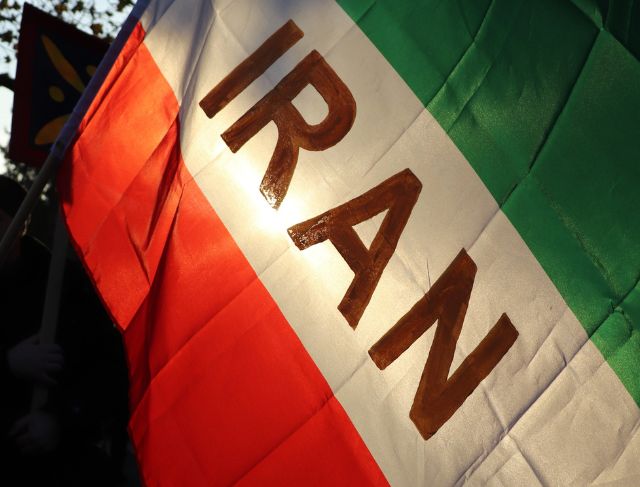
The greatest hurdle a World Cup team faces may not happen until after the whistle signals play has begun. Iran’s national team has had a lot of different stories and good player profiles going in to the 2026 World Cup, including whether or not they would be able to compete and how they will travel throughout the tournament and get from one game to the next. There are more and more stories in the press about where and when Iranians will find a place to play.
Iran has raised its concerns about these issues to FIFA in an official manner.
Iran looks to formalize and document all of its preparation efforts on time. They believe they gave enough advance notice for team travel and needed operational requirements, but due to significant delays, many of the requests related to these preparations were not approved.
The core of the controversy around Iran’s participation revolves around travel between Mexico and the US.
Iran had hoped to have Tijuana, Mexico as its primary training site during the tournament’s first phase (group stages). The training location and arrangements in Tijuana seemed very manageable at first, but later became complicated when additional travel flexibility related to the team’s arrangement needed to be addressed prior to key matches.
Iranian officials submitted an official request to FIFA for their team to arrive in Los Angeles for a group match with Belgium two days prior to the match so the players would have enough time to acclimatize to the weather, complete training sessions and get ready from a tactical perspective. The basis for the request was solely based on sporting needs.
Unfortunately for Iranian officials, they did not receive the response they hoped for, as they were not granted permission from FIFA for the extended stay and were going to be held to the same strict travel times that they had previously experienced.
After Iran finished its first-ever match this past Saturday in the World Cup, the discussions over the request for a longer stay in Los Angeles quickly escalated. Following an extremely politically charged match with New Zealand that ended in a tie, it has been reported that the Iranian delegation would be required to leave U.S.
territory shortly after completing their match related activities. Instead of being able to spend time recovering from their match in Los Angeles, many players were forced to return to their training facility in Mexico just hours after finishing the match.
Many are concerned that these situations could lead to unnecessary amounts of fatigue on players competing in one of the busiest sporting events in world history.
The concerns of the federation stem from more than a lack of scheduling procedures; officials assert that these restrictions negatively impact their preparation, and therefore have ultimately hindered player recovery and training when compared to the other participants in this event.
However, there are opposing views to the federation’s assessment.
The United States has flatly denied the federation’s claims of being treated unfairly.
World Cup operations representatives maintain that all regulations were previously established and communicated to each participating country well before the commencement of the tournament, including those for operations in relation to Iran.
Under the operational framework in use at this World Cup, all teams enter the United States shortly before their scheduled matches and will depart after all of their obligations have been fulfilled. Officials believe this type of requirement was clearly outlined from the very beginning and has been included in the overall framework of operational regulations since early on in the planning stages.
Supporters of the US regulations argue that consistency among tournaments is essential in order to avoid confusion; there should be no discrepancies in tournament logistics from match-to-match.
As a result, the ongoing disagreement has received attention publicly due to concerns about the broader political climate surrounding this World Cup.
For years, tensions between the United States and Iran have existed, and thus pretty much any administrative decision made in either country can potentially become the topic of much public debate. This means that logistical issues relating to football often receive increased scrutiny compared with similar situations involving other countries.
With players, however, the priority is much more simplistic.
Despite the issues involving travel schedules, visa and travel restrictions and diplomatic disputes between the two countries, the priority of the team is to perform on the pitch at all times (i.e., every training session, every recovery and every tactical change during the tournament). Every result at the tournament has an effect on whether that team will have a chance to advance or not.
The situation also illustrates the reality that many fans do not think about: Organizing a global sporting event such as the FIFA World Cup is about so much more than just putting together a series of matches. It involves coordinating immigration procedures, securing logistics, planning transportation, arranging for accommodations and working with multiple governments to work together on the event.
Any time any of the elements listed becomes complicated, the ramifications can directly affect a team.
As the tournament goes on, Iran may continue to be in the media spotlight off the field due to their complaint. However, it ultimately will be the result of an actual game played over ninety minutes that will determine whether the team does or does not advance, regardless of any issues associated with travel restrictions or political headlines.