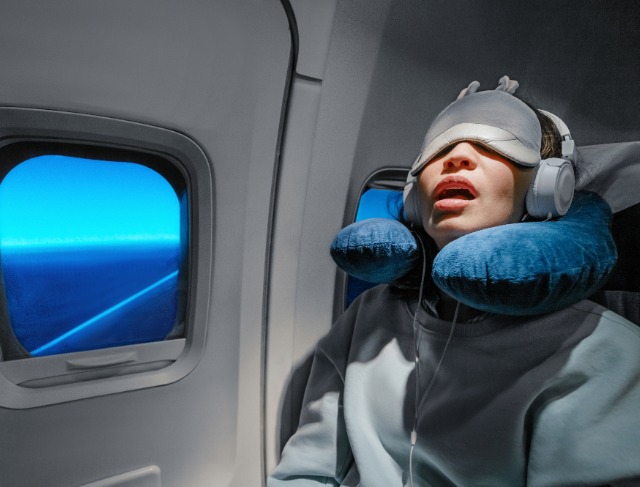
Crossing several time zones during a long flight can be thrilling but often brings along a nuisance – jet leg. The traveler may go through worth discomfort in the first days of the trip due to tiredness, insomnia, and disturbed processes of digestion. One way to ease the adoption process of the organism to new conditions is adjusting eating times, being well-hydrated, and observing reaching of the usual times.
It is recommended to start changing eating times gradually before departing. In Rochester, Minnesota, one dietitian advises shifting the eating times gradually toward the diet schedule of a new time zone. At first, one can start with 15-minute shifting of eating times, then advancing to 30-minute or even one-hour shifting.
When you arrive at the desired location, it is important to adjust your food intake according to the local timetable. When it is time for breakfast, one should eat breakfast and not stick to the schedule of the home city. After breakfast comes lunch and dinner.
The findings of the study from the year 2023, conducted by scientists at Northwestern University, show that a good breakfast is a way to get over jet leg.
The recommendation of the Centers for Disease Control and Prevention is to eat smaller meals, in order to avoid discomfort in the stomach. Schmidt mentions the fact that smaller quantities of food will be easier for the body to accept if one has a sensitive stomach.
As the body gets used to the new diet, travelers can return to eating larger meals. Nevertheless, greasy and oily food can still be avoided. Drinking habits can also affect the quality of sleep. Alcohol can spoil sleep and thus jet lag symptoms will be harder to cope with.
Certain beverages can be avoided, but it is not a must for those individuals who drink coffee and tea on regular basis. However, caffeine should be consumed as early as possible within a day because caffeine consumed later in the day can disturb sleep period. Apparently, caffeine and alcohol can cause dehydration as well.
Therefore, it is necessary to drink enough liquid, as it can help the body cope with the effects of jet lag. Passengers should drink a lot of water before, during, and after a flight, as the air in the airplane is rather dry, therefore during dehydration passengers do not receive enough.
In order to make the most of their trip, travelers are instructed by nutrition professionals to adapt to local timing. By adjusting their meal schedule from day one, the trip should be a healthy one where local time lasts fat longer than it should.
Jet lag can come with gut pains such as diarrhea or constipation. Upon returning home, visitors can then slowly get used to their old meal timings.
Jet lag is not just something that can be avoided but making some changes to meal timings, consumption levels, hydration and alcohol / caffeine intake can help normalize things faster.