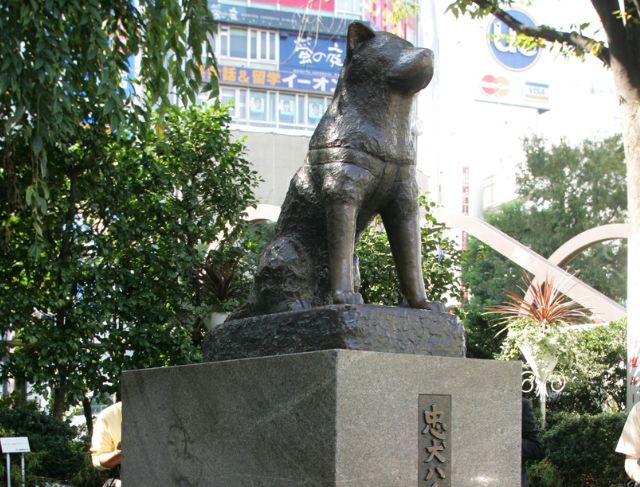
Outrage was sparked at Tokyo’s iconic Hachiko Statue when several people got caught cutting the photo line and interrupting other guests.
This incident quickly went viral and generated a heated debate about how tourists should behave, whether they need to be respectful of other tourists, and whether or not they would be embarrassed if they were “online shamed” for bad tourist behaviours.
Tourists were infuriated by the viral video showing tourists with a different expectation than all the other people who had spent 10-30 minutes waiting for a chance to take a photo of their family with the Hachiko Statue at Shibuya Crossing. As other guests were taking their photos, the tourists in question walked straight up to the front of the line and interrupted the photo-taking process.
The video of this incident was originally posted on an Instagram account and was shared widely across other social media platforms.
The video started with a group of tourists waiting for their turn at the back of a long line, while other tourists were taking their pictures with the Hachiko Statue. The group in question showed no regard for other tourists and proceeded to walk straight to the front of the line and cut in front of the group of tourists at the front of the line and proceeded to take their photos in front of the Hachiko Statue.
The video uploader eventually confronted the group of tourists and requested they return to the end of the line.
The uploader of this video titled it “Don’t Be Like This Tourist In Japan.”
With an extremely strong culture of order, discipline and respect in Japan, queuing correctly is seldom recognised as a suggestion; rather, it is one of the underlying social rules.
When a number of social media users began speculating about the nationality of the tourists (many assumed they were from India), this quickly led to a great deal of stereotyping in the comments section with some users indicating that they were embarrassed or frustrated with the actions of those tourists.
A few users even generalised the behaviour to an entire country.
This changed the conversation from etiquette to something far more emotional.
This change in tone was highlighted by a number of users who posted that video recording strangers and posting that video online could also present some ethical challenges – as many tourists may not know the local customs or social norms of the country they are visiting.
Those users argued that public embarrassment should not come before education and empathy.
Several users questioned the recently grown trend of recording strangers and posting the recordings on social media platforms.
Once a video goes “viral,” the repercussions from posting that video typically last far longer than the original act of posting it.
Users were asked to look at the people in the posted video as if they were members of their own family, and would they want to have an individual recorded publicly as a result of their own actions.
International travel is greatly influenced by tourist etiquette, especially within socially oriented countries (for example, Japan). Basic actions such as waiting in line properly, using polite language, and showing courtesy toward others can influence the way visitors are perceived.
An improper act could become a high-profile incident overnight.
In this world of social media, even relatively small incidents have the potential to generate global discussions.
The event at the Hachiko Statue was not simply about cutting in line; it represented two separate yet important issues: recognizing and exhibiting cultural appreciation; and being responsible in how one approaches the use of social media.
Traveling is about learning through adaptation and to appreciate the variations between cultures.
And the same courtesy and thoughtfulness should apply to a traveller’s online reaction as well.
Travelers must do both – exhibit good traveller habits; and demonstrate empathy to those they encounter, regardless of whether they are offline or online.