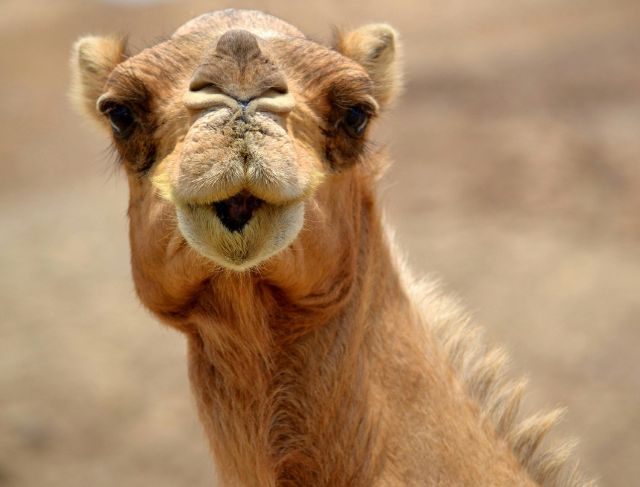
Approximately 20 camels were eliminated from contesting in the competition because of having used Botox as a means of improving their appearance. No, not your average celebrities or social media celebrities; these were actual living camels.
This strange incident took place during the 2026 Camel Beauty Festival in Al Musannaa, Oman, where the judges discovered several camels had cosmetic surgery performed on them using procedures in order to win the competition. Once confirmed, all camels who had been treated and all their owners were also eliminated from the competition.
Surveying and/or inspecting the camels showed that several of them had undergone hyaluronic acid lip injections, dermal filler and silicone enhancements to their nose, and Botox injections to smooth their facial features, and that silicone wax was used to make their humps even larger and more defined.
Although it was not done lightly it did create a meaningful change in appearance. The reason that owners of camels will take such dramatic actions to give their animal a better chance of winning is due to how the beauty contest judging process works.
Camel winners do not win by consensus. The judging of animals is based on a point system which rates animals on four aspects: coat color/texture, length of neck, size/type of head, and the degree of definition of the hump. The animals with the most overall points and admiration from judges will usually include bright coats, or mara dyed hare, a long strong muscular neck, a head that is a large and defined type with large, thick, generally pronounced lips and long, dramatic eyelashes, and a good definition in the height from which the hump sits. The way a camel stands while being judged will be an additional factor considered in the determination of who are the winners.
Camel pageantry is the same as having an animal model walk a runway. When a camel wins a contest, it is not just for the pride of having a champion. The value of a winning camel will often skyrocket after being declared a winner, and the owner of an award-winning camel can expect a high-paying cash award from the show. Championship camels hold much value in terms of breeding and trading.
Because of the potential for huge amounts of money and prestige associated with winning, it is not uncommon for camel owners to take chances while competing for the top prizes.
Cosmetic assistance to camels has been an issue for a long time now in the camel beauty pageantry world. One of the events that is recognized as the most prominent event in the camel beauty pageantry world is the King Abdulaziz Camel Festival, also known as the Miss Camel Contest. In the past, the camel beauty pageantry business has been plagued by instances of cheating through the use of cosmetics.
In 2018, 12 camels were disqualified at this show for the use of breeding camels who were given Botox injections. In 2021, numerous camels (approximately 40) were also disqualified due to allegations of their nose and head structures being altered.
Thus, the fight against cheaters continues in camel pageantry.
Animal rights advocates have condemned this practice as unethical treatment, as the use of cosmetic enhancement procedures may actually harm rather than help the animals. Additionally, there are opinions from veterinarians stating that implants and injections may lead to severe health issues for the animal.
There may be serious side effects associated with animals undergoing painful procedures such as severe pain, infection, permanent swelling; bruising; damage to the body; and possibly serious infections related to abscesses formed after surgery or procedures performed for cosmetic purposes.
Critics of camel pageants, such as those from People for the Ethical Treatment of Animals (PETA), contend that the practice of modernizing or altering the appearance through cosmetic surgery is considered cruel treatment of animals. Many PETA representatives feel that performing any type of surgical cosmetic procedure on an animal (whether it’s cutting the ears off, horn boxing, injecting filler into the face, etc.) is indicitive of a lack of respect for animal welfare.
Regardless of the controversial nature of the topic, camel beauty contests are still very popular throughout many countries in the Middle East and are an integral component of regional customs, pride in cultural heritage, and ultimately historical significance regarding camel breeding.
At what point is tradition in conflict with humane treatment of animals? How far should an individual go in order to obtain a “perfect” camel? At a camel pageant, even Botox may not ensure that you take home victory.