
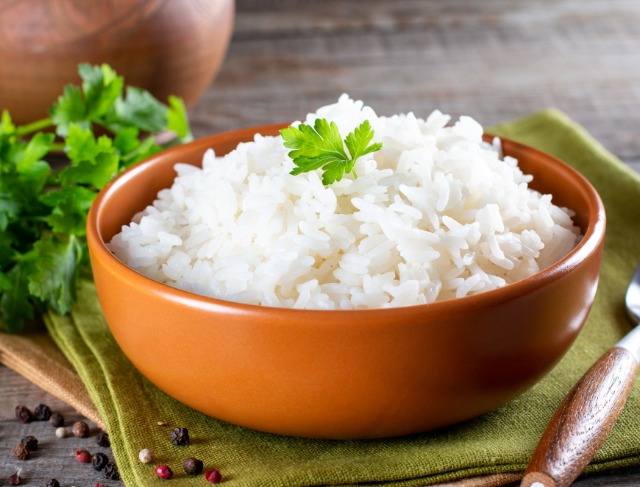
Generally, steamed rice is simply thought of as an ordinary food. Nevertheless, Seoul is getting creative with it, turning the piece of simple food into a unique experience for travelers.
The Seoul Metropolitan Government is working hard to attract foreign tourists by introducing them to a “K-Rice Pairing Experience.” The event took place on November 11, 2026, at the Seoul Herbal Medicine Center. Some 12 international students from Korea University took part in bringing various tastes of Korean rice.
It is like a wine-tasting event, but there is no wine. Participants started the experience with the rice cooker and smelled rice before learning about rice-growing in Korea.
During the event, 3 types of rice were tested: Samgwang rice from Chungcheong Province, Sindongjin from North Jeolla Province, and Golden Queen No. 3 rice from Gyeonggi Province.
After that, the rice was served with traditional Korean side dishes, such as salted pollock roe, roasted seaweed, and kimchi. The event finished with samples of three traditional rice-based alcoholic drinks.
Some participants were surprised to learn the differences in the dish they thought they knew. Samson, a student from Singapore, said he had always wondered about the smell of Korean rice.
He liked the scent similar to popcorn and was impressed with how many different varieties there are and how their taste and texture differ.
Tsoy Yana from Kazakhstan found personal meaning in this experience because her ancestors were from the Korean ethnicity group who had been forcibly moved to Central Asia. They survived by growing rice in southern Kazakhstan, thus, making this product a part of her family history.
Seoul Tries Out Novel Gastronomic Tourism Concepts
The initiative is still in the experimentation phase. The local authorities intend to analyze how satisfied are the participants and which activities were the most appealing to visitors before taking further steps towards introducing the idea into the tourism industry.
“As rice is usually known all over the world, different cultures use different manners for its cooking and consumption,” stated Jo Seong-ho, the director of the Tourism and Sports Division of the capital city.
Seoul is going to transform even commonplace aspects of the local routine into memorable tourist experiences. According to him, visitors can treat even a simple bowl of rice in an exciting way.
Increase in Tourism Can Bring Changes
The move is made amid the exclusive growth of international tourism in South Korea. On October 27th, 2026, the country managed to break its previous record of the number of tourists in a year—18.94 million.
As of September, the overall number of tourists reached 17.11 million that is by 21.5% higher compared to last year. Overall, the card spending regarding travel went up to 15.845 trillion won. The number of travelers is expected to reach 20 million by the middle of November and to help the country meet the target of 23 million by the end of the year.
Considering the rising numbers of tourism arrivals, South Korea is trying to move beyond the traditional highlights such as palaces, and K-pop. Therefore, ordinary experiences can also show travelers that there are more amazing reasons to visit South Korea.
Unexpected Link to Japan’s Rice Industry
Japan has witnessed numerous rice shortages across its recent history, which probably explains the timing. It has been reported that due to extreme heat and consequent bad harvests in 2023, panic buying among consumers, and the increase in travel, the market witnessed issues with its supply from supermarkets.
Some Japanese tourists even went to South Korea to purchase rice as prices were rising in the country.
However, the situation has changed. Japan’s rice reserve has reached the ten-year record of 2.77 million tons, having caused a drop in prices just a year after the supply problems from the last year.
As policymakers in Seoul are looking for ways of representing their culinary culture, rice is no longer perceived only as a daily necessity but also a means to show visitors a colorful aspect of Korean culture.