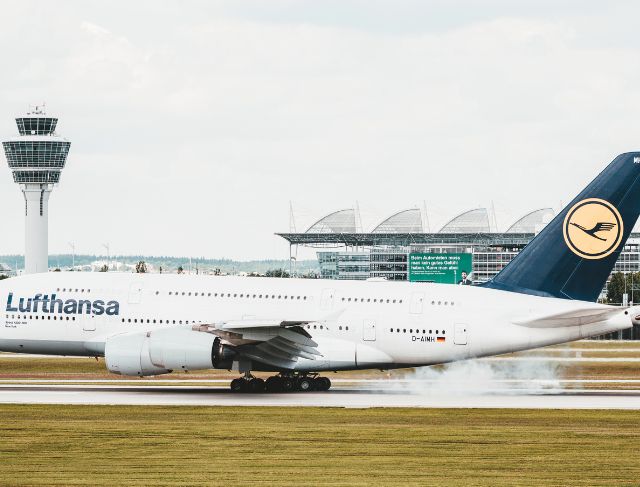
When fuel prices rise significantly, airlines do not just absorb the cost, they cut flights. That’s what Lufthansa is planning to do by cutting around 20,000 short haul flights.
If you travel around Europe this summer, you may notice that you have fewer flights available, especially for short haul flights. Some flights will remain, just not as often.
This is all directly related to jet fuel prices, which have risen significantly since tensions increased in the Middle East. This has placed a large burden on airline operations throughout the world.
Lufthansa is not the only one doing this. Other major airlines, including Air France-KLM and Delta have already implemented similar actions; including route reductions and schedule changes. Ticket prices have also increased as airlines have passed some of these costs on to passengers.
When you look closely at Lufthansa’s business model, the changes it is making to short haul flights support a much more efficient survival. By cutting back on operating costs related to jets from short haul flights, they will save approximately 40,000 metric tons in fuel. This number is significant.
Flights out of Munich, Germany to destinations like Poland or Norway are just the first of many flights to be cut. There have been 120 flights cut already.
Despite these cuts, Lufthansa’s network remains unchanged. Long-distance flights typically generate higher revenues than regional flights do; therefore, long-distance flights will continue to fly. However, short flights within Europe will likely become more challenging.
Kuwait’s Al-Zour Refinery and other Middle Eastern sources contribute a significant percentage to Europe’s jet fuel imports; therefore, a disruption in the Middle East’s supply of jet fuels will negatively impact all international flight operations.
The International Energy Agency has recently warned of possible jet fuel shortages. However, airlines and governments that are currently operating are stating they haven’t suffered significant disruptions.
Lufthansa has encountered sources of problem to their organization. Parts of their regional airline and dozens of planes have been grounded and thousands of pilots have been laid off due to rising prices for oil and related labor issues.
The effect of these changes is most significant to passengers. There are fewer flights scheduled at higher prices with reduced flexibility, particularly to fly for short-haul trips. This isn’t something that has occurred overnight; it has built up over time, and frequent travellers will notice it.
The reduction in available flights by just one airline does not represent the complete impact. The ability of worldwide events (notably in the areas of energy and geopolitics) to progressively transform global travel is immense.
At this time, the short-haul flight experience within Europe is not going to be as convenient (or as economical) as it was previously.