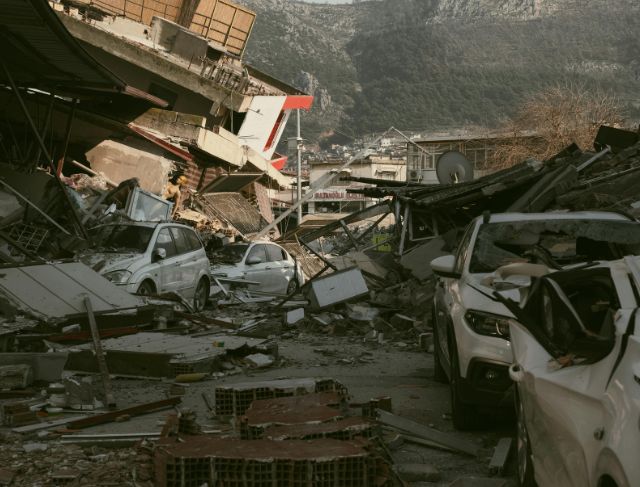
The earthquake that hit Japan’s southwestern region triggered a wave of cancellations among tourists. Hotels and ryokans in the affected area canceled over 174,000 reservations, which, however, are outside the immediate earthquake region.
This string of cancellations followed an important earthquake that occurred in Kumamoto on July 28. Though heavy structural damage occurred only in some areas of Kumamoto Prefecture, travel arrangements have been impacted across a wider area of Kyushu due to the repercussions, such as the fear of transportation difficulties and the possible aftershocks.
For tourism, this situation creates an unusual situation since even the places with little damage will have to deal with a considerable amount of cancellations.
As for numbers, the cancellations were huge. Around 174,000 accommodations have been canceled in six southwestern prefectures, excluding the ones near the earthquake zone.
According to the published data, the cancellations had a significant financial impact on the hotel business in the region. The total sum of money lost in canceled bookings was believed to be around ¥670 million; however, that amount does not account for the cancellations in Miyazaki and Kagoshima because the statistics were not published.
This situation illustrates how a natural catastrophe can have an impact on tourism more extensive than the place where the most devastating physical destruction happened.
Tourists take into account more than just the current status of the area they are visiting.
Kumamoto Records over 146,000 Cancellations
Due to the earthquake, Kumamoto, the region closely connected to the earthquake, registered a significant amount of cancellations.
By August 6 there were over 146,470 cancellations in the area, the total value of which amounts to over ¥2.06 billion.
The statistics are based on the information provided by the local associations of hotels and ryokans.
However, cancellations were not confined to the area mostly affected by the earthquake. The tourist places located in the other parts of the country, including the internationally known Aso area experienced a decrease in the number of reservations.
This means that the cancelations were based on the general idea of danger of travel rather than whether or not the given area has suffered any damage.
Challenges Facing the Tourism Sector because of “Reputation Issues”
Local authorities are worried about what they label as reputation issues.
Reputation issues in this connection mean the economic effects when travelers avoid the entire region due to associating it with calamities despite the fact that many other locations are functioning and safe.
Thus, even an earthquake in one particular area of Kyushu can affect the tourism choices of people living in some prefectures.
For hotels, ryokans, restaurants, carriers, and touristic venues, the impact can be significant. The visitor that cancels the travel to Kumamoto cancels all the trips to all neighboring prefectures.
More than 111 thousand Cancels Have been Registered in Kagoshima
Kagoshima showed the highest number of cancellations among the prefectures providing information on the situation as of August 7.
The figure deserves to be mentioned because the amount of damage done to Kagoshima was quite limited.
The reason could be connected with the transport issues.
Transportation reliability matters for vacationers. Indeed, the functionality of a hotel or an attraction is not enough for people to continue with their plans, since they could choose to cancel their trip in case of difficult transportation conditions.
Tourism packages affecting both Kumamoto and Kagoshima could lead travelers to cancel their whole itinerary if something happens with one point of the trip.
Fukuoka and Nagasaki Are Also Significant Victims of Cancellations
The influence of tourism goes beyond Kumamoto and Kagoshima.
Fukuoka has experienced around 28,000 cancellations, placing it second among the provinces hit by this crisis.
Nagasaki comes next with 14,259 cancellations, while Miyazaki has received even fewer with 11,357 cancellations.
Oita and Saga report around 7,810 and 1,820 cancellations accordingly.
It is obvious how far the aftereffects of a severe earthquake spread throughout the tourism industry.
Millions of travelers cancel not only their reservations in the affected area, but also included plans for other parts of Kyushu.
The cancellations took place primarily between one week to two weeks following the earthquake.
The timing of cancellations is very significant in this situation.
In fact, many bookings were canceled between one to two weeks after the earthquake rather than shortly after the catastrophe.
This time gap can imply that tourists needed time to analyze transport conditions, follow news about aftershocks, and assess if their trips could indeed go ahead.
It is also possible that travelers held off on making the final decision to see more information.
When dynamics unfold in the course of several days, even the countries with little to no physical damage may lose demand from travelers.
Transportation Disruptions Complicate Travel Plans
Transportation also played an important role in the tourism impact of the earthquake.
Numerous parts of the Kyushu expressway were shut down for almost two weeks, while certain segments of the Kyushu Shinkansen were still out of service.
For travelers, this may create severe logistical problems.
Kyushu is a huge island with many tourist attractions in various prefectures.
Most people prefer to travel by trains, highways, rented cars or organized tours when visiting different places.
When transportation networks are affected, the journey which seems simple may grow much more complicated.
In this situation, some tourist may have preferred to simply abandon their travel plans than endure the uncertainty associated with transportation.
Aso Tourism Also Suffers
Due to its unique volcanic and natural landscape, Aso is considered one of the largest tourist centers in Kumamoto region.
Despite being out of the main disaster zone, the tourism businesses in Aso area were also hit by cancellations.
This illustrates one of the biggest problems the destinations face after natural disasters: tourists do not know the difference between the affected and unaffected areas.
A traveler who does not know that Kyushu region is a large area of Japan may hear about earthquake in Kumamoto Prefecture and conclude that entire prefecture is dangerous.
However, this is much more complicated in reality. Damages may be localized while the other communities in the prefecture are functioning normally.
Japan Government to Provide Subsidies for Tourism Sector
To combat the decrease in tourism activity, the Japanese government is ready to introduce a new program of subsidies covering the costs of transportation and stay in hotels or other accommodations.
It is anticipated that the subsidies will be offered for the entire Kyushu area according to the planned package.
The timeline for the introduction of the package has been outlined.
The purpose of the subsidies is to motivate people to travel to the places affected by the disaster and to reduce the cost of their stay.
The subsidies also aim at showing the travelers that there are many places where tourists can go.
The Damage the Earthquake Caused
The situation in Kyushu indicates the magnitude of the economic effect of an earthquake.
Tourism is the most vulnerable area to the understanding of safety.
The traveler planning his vacation can be hardly aware of the geography of the destination which can lead him to postpone the trip after hearing of the consequences of the earthquake reported in media.
This can create a hard process.
Less tourists lead to less money to hotels, restaurants, attractions, transportation providers, and local firms. Moreover, residents and small businesses at places untouched by the catastrophe may suffer from impacts of the event that happened somewhere else.
Therefore for locations depending on tourism it is crucially important to restore tourism confidence as much as to restore the physical infrastructures.
Magnitude 7.1 Earthquake Hit on July 28
The earthquake happened at around 4:27 in the evening on July 28 and was rated 7.1 according to the report.
Areas in Nagasaki and Kagoshima prefectures witnessed upper 5 level earthquake on Japanese seismic intensity scale.
Despite the high rates of the earthquake, the affected areas did not suffer from serious damages.
Japan employs a seismic intensity scale indicating the strength of the earthquake experienced at the very location. The scale is different from the magnitude that measures the sheer magnitude of the earthquake.
Hence, high magnitude earthquakes may produce completely differernt results in various places due to different factors like distance from the epicenter of the earthquake, the local geology, and building quality.
The Difference Between Physical Damage and Travel Perception
One of the most surprising facts about tourism after an earthquake is the difference between physical damage and the perception by the public.
Some regions of Kyushu barely suffered damages but still faced a large number of cancellations.
From a traveler’s standpoint, it is reasonable to avoid going to the place after an earthquake. But this might cause a place to be perceived as unsafe despite the fact that some areas can still function.
That is why it is very important for the local tourism sector to dispel the wrong myths.
Adequate information regarding the transportation possibilities, the tourist attractions, hotel operation, and security situation can assist tourists to make the right decision.
What the Cancellations Mean for Kyushu’s Tourism Industry
The 174,000 cancelled bookings are more than simply empty hotel rooms.
Each cancelled booking has an effect on restaurants and local transport, tour operators, tourist shops, entrance fees, and all other services that depend on the visitor’s spending.
So, cancelling a hotel booking for two nights, one also cancels restaurant reservations, train ticket purchases, car rent, guided tours, and shopping.
Thus, it should be taken into account that the
For small businesses, especially those situated in areas frequented by tourists, just a minor decline in the arrival of people can cause a huge impact.
Will Kyushu Tourism Return to Normal Quickly?
Travel subsidies, which are coming up, may help the region a lot.
Kyushu is known for its different attractions, including volcanic landscapes, hot springs, historical towns, conventional hotels, and special food.
If the transport system resumes, tourism activities may gradually return to normal.
Trust takes longer to restore than structures do.
Travelers will continue to keep an eye on earthquake activities and transportation for a long time.
Hence, the rate of restoration will also depend on how well the authorities and tourism companies inform people on what’s going on.
The Bigger Message for Travelers
What’s happening in southwestern Japan is a key lesson for everyone planning a trip after a natural disaster.
Natural disasters do not mean that an entire area is cut off.
Each city or town might react differently—with some places suffering badly while others stay almost intact.
This means that a traveler should not cancel their travel plans without checking transportation updates, local authorities, and conditions in the given area.
But safety must always come first. Nothing is more valuable than ignoring local authorities’ warning.
In wake of the Kumamoto earthquake, tourism has been devastated all over Kyushu, resulting in almost 174,000 canceled hotel and ryokan reservations across multiple prefectures.
The biggest losses were reported in Kumamoto, while as for Kagoshima—which has not suffered considerable damage—there were over 111,000 cancellations. Other prefectures with substantial canceled reservations are Fukuoka, Nagasaki, Miyazaki, Oita, and Saga.
Transportation issues, worries about aftershocks, and doubts about safety seem to have been significant reasons behind the general decrease of business.
This case highlights the role that perception plays in tourism. Even though the effects of an earthquake might be confined to one location, the atmosphere of fear extends much further than the actual quake did.
Japan’s introduction of travel and accommodation subsidies in Kyushu will likely help boost tourism, especially with the recovery of local infrastructure.
The important thing for visitors is to differentiate between the areas affected directly by a disaster and the surrounding areas and stay up to date with information before making any trip.
Kyushu’s tourism sector will have to rebuild outdated infrastructure as well as regain travelers’ trust.