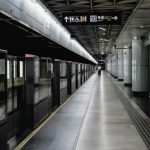
Located in Hangzhou, China, the Regent International Apartment Complex is nothing short of unique. Imagine more than a building where individuals live; this megastructure allows you to buy groceries, enjoy a cup of coffee, see your doctor, work out, and even attend a yoga class all without seeing daylight again and all in one location. With 30,000 residents living indoors, this building is frequently referred to as a city woven in steel, glass, and marble.
A Skyscraper that is a Self-Sustaining City
Some call it claustrophobic, some call it revolutionary but one thing stands out, to many it is the largest residential building in the world.
The Unexpected Magnificence and Bizarre Akwardness
When you walk through the marble hallways, you might think you landed in a luxury hotel rather than just basic housing. There are elevators surrounded with polished stones, the ceilings open to breathed in corridors filled with cafes and businesses but equally conspicuously parts of the building are eerily vacant.
One visitor likened the experience of wandering its wide corridors to a well-documented ghost city called Ordos: beautiful, pricey, and oddly empty.
Malls, Cafés, and Buckets of Fried Chicken
Don’t envision stale dorm-like apartments stacked to the moon. Inside Regent International Hangzhou is an entire suite of neighborhood staples:
- A grocery mart open 24 hours a day, because let’s face it — 30,000 people will have late night cravings.
- Restaurants galore – everything from barbecue stands to coffee shops serving perfectly foamed lattes worthy of South Korea or Tokyo.
- Health and wellness centers – yoga, Pilates, even medical offices – just steps off the escalator from your living room.
One traveler famously ordered a bucket of fried chicken and a Coke in the food court inside the building and said it felt less like living in a mega-complex and more like feasting on a large vertical festival.
The Apartments: From Pod to Livestream Studio
One of the most interesting things about Regent International is who actually lives there. Some apartments are tiny one-room studios (with ceilings are maybe five feet high, so you’re not sure whether you should go with the flow or start screaming like Gulliver stuck in a dollhouse), while other apartments have been taken over by livestreaming studios, bringing forth a class of people whose entire working identity is based on streaming their “real” lives to whatever audience or market they can find.
It’s estimated that upwards of thirty percent are streamers/online sellers, which is really interesting in terms of the spectacularly strange intersection these activities create between social media and space in modern China. When you live in a place like this it’s really not just housing is it? You’re in fact building a chain of an entire business empire from the comforts of a one-room box.
Living Experience: Affordable but Flinchworthy
Sure, it looks like a marble palace, but day-to-day living in the world’s largest residential building can take on a practical and precarious feel. Rent averages roughly 400 dollars a month – a rather decent price in light of the location and various sporting amenities. Numerous locals questioned safety precautions and overcrowding, as they continuously shove themselves into confined spaces safely while pretending to be living a more real life than reality stars.
A fire a few years ago demonstrated the significant hazards associated with evacuating such a large number of occupants in a dense high-rise environment. Since then, Chinese safety standards have scrutinized Regent International, but overall the building is still occupied and largely operational.
Technology and Daily Life
Do not assume everything is retro here. The building, like much of contemporary China, strips away historical designs in order to posh-up the front end with futuristic digital technology integrated into your everyday moments. Try to envision yourself pining for a bottle of water from a vending machine that would only accept payments through facial recognition If you were to think about it hard enough, you would be reading the finest script from the worst sci-fi movie. It is literally a thinking cost of hydration.
Supplement this knowledge with some version of WeChat Pay and/or Alipay, and you might figure out cash is as much use at Regent International, as a floppy disk in a Tesla.
Meeting Residents: Beyond a Door
During one foreign visitor’s time at Regent International, he met a piano teacher who would share his studio apartment, as well as much of his modest activities on behalf of the casual onlooker for a brief time. The teacher told the visitor of many young people – a working-class population – living in a constantly timeshare income scenario. Even if they brought in a decent wage, they funneled income into rent, then a few small discretionary expenditures, knowing the money does not create cash in case of an emergency.
Such instances expose the veil of marble and neon storefronts and reveal the true social experiment of Regent International: this is not about the building, but about the manner in which thousands of individuals are redefining community when placed in one massive context.
Regent International: A Microcosm of Social Action
If you observe this mega-structure closely, and without biases, it eventually starts to look like a Petri dish of modern urban life.
- Gig economy residents serving as hosts online
- Entrepreneurial tenants leasing creative spaces providing various boutique products and services from fitness training to educational tutoring.
- Traditional families finding their way in the chaos of dense living.
It exists as part dystopian novel and part modern convenience dream – a contradiction that continues to captivate urbanists across the globe.
Is this the Future of Cities?
The very presence of Regent International in Hangzhou is a contemplation that transcends beyond the building itself. As the world’s population continues to urbanize, will cities sprawl on the horizontal plane in suburban development, or will they grow on the vertical axis in the form of mega-structures?
While living in Regent International may feel like living on a distant planet for many, this invoice of a city-in-a-building may simply be the way in which humanity continues to negotiate housing needs in a housing challenged urban world.
Between Intrigue and Fear
The biggest apartment building in the world is nothing less than a wonder and a mystery. On one hand, you see fried chicken booths, fine dining, lovely apartments, and smoky karaoke bars all connected to a vertical kingdom. But you also have fire safety issues, cultural claustrophobia, and a prevailing sense of dread.
Regent International in Hangzhou represents more than concrete and glass; it represents the ingenuity of the human spirit, perhaps with a tinge of impropriety. Is it a glimpse into the future of cities or simply an architectural oddity? Only time will tell. But regardless, once you get lost in one of these apartments, you will find a different meaning for the term apartment.