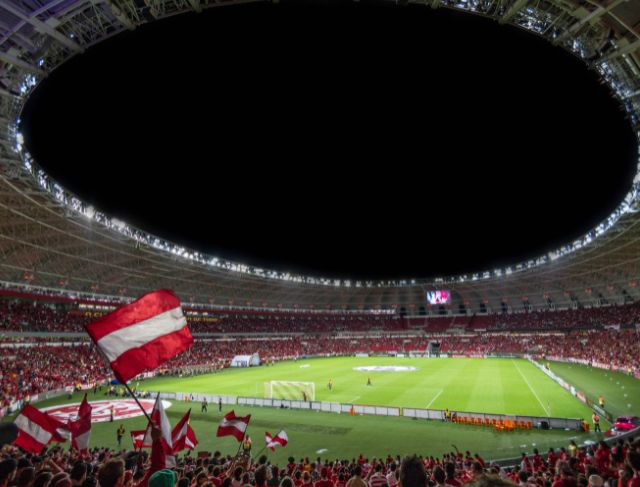
The 2026 FIFA World Cup was supposed to give a financial boost to the majority of hotels throughout North America; however, many hotel and tourism operators have been left wondering – where are all the guests? They anticipated that millions would “travel through” the host cities and sell out all of the hotels, restaurants, and other attractions in those areas; many industry projections predicted not only record-breaking tourism revenue but also full.
The excitement surrounding the tournament has created a perfect storm of problems for the hotels due to increases in room rates. There were hotels that thought the demand for rooms would be so high that they could charge whatever they wanted for a hotel room and that travelers would be willing to pay anything to secure a room. There were multiple instances where nightly rates of hotels in certain host cities were shockingly high, even to experienced travelers.
As for some of the avid football fans, the price they saw for a hotel room felt very far removed from what they would typically expect to pay for that same accommodation.
A man from Alberta, who had originally planned on attending various matches in Vancouver, almost cancelled his plans after finding out that hotel rooms were going to be close to $1,000||night. He finally decided that given how outrageous the price of a hotel room was going to be, that he would not be able to justify spending that amount of money to attend the world cup tournament.
Many hotels began to quickly reduce their rates as the weeks leading up to the event progressed and many operator’s booking expectations were not being fulfilled by as many bookings as they had hoped for.
Rooms that were previously out of reach price wise, had suddenly dropped to a more reasonable level pricing for those that had held off on making their reservation.
The large amount of hotels reducing their pricing showed an even bigger problem that was occurring within the various host cities.
The earlier estimates for the World Cup predicted large numbers of visitor’s as well as significant economic activity would be generated by the tournament.
While the tournament created interest attracting visitor’s to the host cities, the demand for visitor’s did not happen evenly across the host cities.
Many host cities were successful at converting the excitement of the tournament into actual occupancy of their hotel properties, but many of the host cities were not successful.
An example of a host city that was unsuccessful was New York City.
In the past, New York City has always been one of the most visited destinations throughout the world.
Hotel properties located in multiple areas of New York City have not met their expected level of performance based on what they anticipated regarding the event.
Hotel properties that were hoping for a large influx of bookings are now facing reduced demand from what they were expecting.
This situation is not limited to only the accommodations.
The trend of air travel patterns was also surprising. Instead of seeing large increases in the number of international travelers arriving from anywhere in the world, the major gateway airports saw fewer than expected bookings from significant areas on a global scale. This created more uncertainty about whether or not international visitors were actually booking enough trips to achieve their aggressive forecast prior to the start of the tournament.
On the other hand, something totally different has played out in Kansas City as a result of the tournament.
Kansas City is now one of the unexpected success stories of this World’s Tournament. The hotels in Kansas City experienced very high levels of booking activity and the short term rental operators saw very strong growth. When it comes to enjoying the tournament, fans were willing to book stays, spend lots of money and participate in local tourism activities based on the popularity of the matches.
Even in the successful markets, however, the way that a visitor behaved was unlike what had been expected.
For example, most of the travelers who booked a hotel or an Airbnb stayed a short period of time and moved quickly through different host cities; they did not stay in one city for long periods of time. This resulted in unpredictable levels of demand and a typical demand pattern of busy periods surrounding specific matches and slow periods in between matches.
A number of hospitality companies believe that the unique price volatility can be traced back to their early booking strategies.
Hotels set aside large blocks of rooms in advance to create a false sense of demand to accommodate the tournament. Based on that signal, hotels interpreted the signal of limited inventory to mean that they would have a shortage of rooms. Prices were therefore raised before true consumer demand had surfaced.
As real demand started to subside, prices began to decline.
For supporters, frustration was created by these price fluctuations.
Some fans had made non-refundable reservations months before only to see most of their rates decline closer to the game. Additionally, other supporters believed that both their ticket prices and hotel accommodations had created barriers to attending the world’s largest football event, rather than inviting them to join.
The frustration created conversations on accessibility.
Football has been considered a universal sport because it can unite people regardless of their backgrounds, and some said excessive pricing could lead to major football events being a dream—one.
Despite this negative story, there is a positive narrative here.
However, the final figures have shown much lower results than the lofty expectations that were promoted prior to the tournament’s beginning. The most important lesson learned from the World Cup in 2026 is not about football.
It’s about expectations.
When preparing for the influx of millions of visitors, it is easy for a business to assume the increase in demand for their services will continue to grow forever. However, there are so many variables that affect tourism markets’ performance; prices fluctuate, travelers’ habits change and reality is often far from the optimistic and disappointed predictions of demand for and supply of products and services.
Many of the hotels that participated in hosting the World Cup would have liked to have seen huge increase in revenue from hosting the World Cup, but they were disappointed to learn that even the biggest and best sporting event in the world does not guarantee a windfall for everyone when the prices increase at a faster rate than what the average fan is willing to pay.