Traveling around Germany is a mess right now. All modes of transport — road, rail, and air — are being negatively affected due to the large amount of snow and ice that is currently covering much of the country. If you’re feeling uncertain about your travel plans; you’re not alone — Mother Nature is firmly in control right now!
Even high-ranking German government officials are feeling the repercussions of weather-related travel disruptions. For example, Germany’s Foreign Minister Johann Wadephul was forced to change his travel itinerary after icy conditions in Berlin forced the cancellation of his flight to Latvia and Sweden; therefore, his one-day trip had to begin from Leipzig. This isn’t the best circumstance to have to change travel plans, but you can’t negotiate with weather!
That being said, meteorologists throughout Europe are informing the traveling public that this weather isn’t going to be “just another snowy day”; the warnings issued are serious, and the disruption caused by heavy snowfall and ice will likely occur quickly, particularly during the Monday morning rush hour.
Germany’s National Weather Service has reported that the impending snowfall, and accompanying icing, will create serious mobility issues throughout the country due to rapid accumulation of snow on some areas — creating icy, slippery, unpredictable roadways. It’s highly likely that even typically skilled drivers will find driving to be quite challenging during this time.
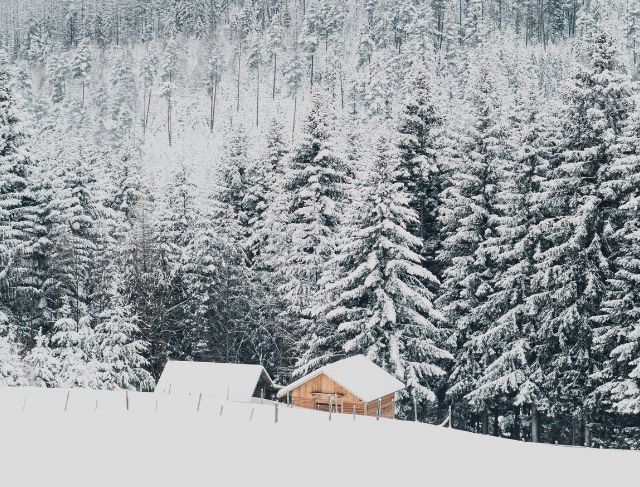
Now it’s time for numbers that make us nervous. In some regions, snow depths will reach nearly 25 centimeters, which is not just a decorative snowfall but an accumulation that will slow traffic, block smaller roads and cause delays along all modes of transport (i.e., cars, buses and trains).
As per meteorologist Markus Ubel, Monday morning will be critical for commuters as well as for snow-covered highways because many of them don’t receive any treatment until it’s too late. There will be delays on cars and trains.
The snow system isn’t going to be stationary, but in fact, it will begin moving northward from the Alps on Sunday afternoon and will continue to spread northward until Monday. The massive amount of snowfall expected in so many different regions is the reason it is being reported together.
Most parts of the country expect snowfall totals of 5 to 10 centimeters, but in some regions, it’s possible to receive 15 centimeters of snowfall over a 12-hour period. The amount of snow that falls will continue to accumulate quickly, especially given the colder temperatures expected.
The heaviest snowfalls are expected to occur along a corridor extending from eastern Bavaria to western and northern Franconia, with expected snowfall depths between 15 and 25 centimeters. For all types of travel, this could be one of the most dangerous areas.
Due to climate change, eastern Germany will not escape the effects entirely. From the Ore Mountains through Brandenburg, Berlin, and Mecklenburg Western Pomerania are under warning from authorities for dangerous amounts of ice forming on roads and potentially sidewalks starting Sunday evening; freezing rain is also forecasted for Saxony, although conditions may gradually improve later that evening.
In addition to the hazards associated with the winter weather, light to moderate snowfalls are continuing throughout Monday with the possibility of isolated bursts of heavier snowfall across the northern areas, leading to need for extra caution while driving.
Once again, the northeast region is experiencing multiple layers of weather with freezing rain creating a layer of ice on top of previous layers of snow which have fallen; therefore, this slippery ice/snow combination presents a major hazard for both drivers and pedestrians alike.
So, regardless of whether the weather looks calm from indoors, it will be a very different story if you are out in the elements. The German public is definitely going through an unexpected and challenging time right now, and for the time being, the most important asset any traveller should have is the importance of being patient while navigating through the extensive winter weather.