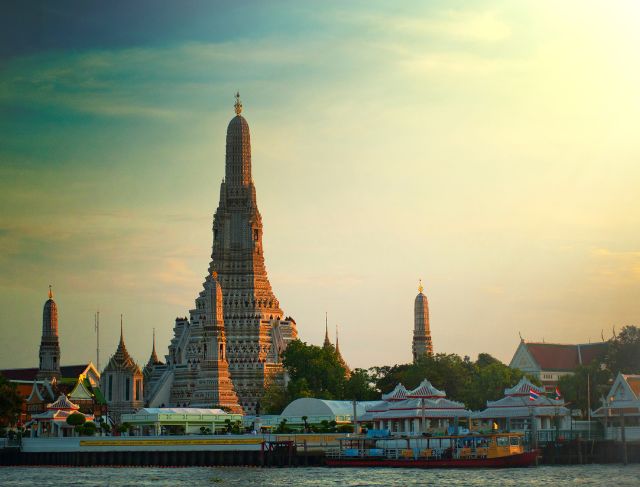
For many years, Thailand was the ultimate tourism destination in Asia, but this is no longer the case. The country is experiencing a wobble in its crown as Vietnam emerges as a competitor.
Before, Thailand didn’t have to do anything to attract tourism; there was interest simply because of the beaches, food, nightlife and culture. Today, travel patterns are changing, and the tourism landscape across the globe is shifting rapidly.
When you look at the numbers, they tell a different story than before. In total international arrivals for 2025, international arrivals decreased by more than 7% in Thailand, whilst at the same time, international arrivals to Vietnam increased by over 20%. That’s a huge difference, and it is not a coincidence.
Why is Vietnam able to achieve this level of growth? They are able to do so because of their ability to read the changing environment. With more Chinese travelers, and shifting preferences of where to travel, Vietnam has responded quickly through more flights, easier access, aggressive expansion of infrastructure, and so on. In contrast, Thailand is still waiting.
It’s not just talk, either; Vietnam is going to continue to make a large investment in tourism. They are planning on building 12 new airports, a high-speed rail system, and expanding hotels and resorts beyond their metropolitan areas. They are in it for the long haul and are taking their plans very seriously.
Thailand is at a crossroads. As such, it is notable that Thailand is no longer recovering; rather it is re-evaluating its methodology going forward because there are enough elements of recoveries past. Today, strategy is more important than reputation. Nostalgia will not keep the doors open for long if revenues do not follow.
According to one expert in the field, Thailand must focus immediately on making strategic decisions to remain competitive within the region. Regional competition is investing billions; therefore Thailand must not rely anymore on past achievements. Decisions made today will affect tourism in Thailand over the next 10 (or more) years – not only for next season.
That said, Thailand is not out of the competition. In fact, investors continue to have faith in Thailand’s attractiveness – not only as a tourist destination, but also as a place where people want to live and work, build their lives and create their memories. Thailand continues to offer charm; however, what Thailand lacks presently is new energy.
While optimism remains, it must be tempered with caution based on uncertainty in the global economy, geohistorical situations, and the volatile local economy. Furthermore, the level of competition within Southeast Asia is increasing exponentially and therefore, no one is afforded the luxury of having a free pass at present.
As such, it may be as important to focus on the continuing issues facing Thailand’s tourism industry moving forward as it is to have hope. For example, throughout the years, Thailand has relied very heavily on the same five destinations for tourism: Phuket, Koh Samui, Pattaya, Chiang Mai, and the areas surrounding Bangkok: while all five are iconic, they have become victims of overexposure.
There are many untapped areas of potential in addition to those well-known names. One such area is Isaan in the Northeast. It has a rich cultural heritage, a strong sense of local identity and incredible food – plus it has communities that genuinely exist and are not set up for tourists Like Isaan, Nakhon Sri Thammarat has lived in relative obscurity. Thousands of kilometers of natural coastlines with pristine landscapes and enormous beaches still exist. All of these factors create the perfect environment for the kind of place that modern-day travelers want to visit There is a large opportunity for tourism growth for Thailand in locations like these having not focused on pursuing this type of market by taking a path of competing directly with Vietnam in terms of volume but rather by evolving through deeper experiences and being more authentic.
Today’s travelers want stories behind the experiences they’re having, not merely an attractive scenery. Today’s travelers desire authentic connections to cultures and to each other along with having experiences of something they are not used to; Vietnam was able to capitalise on this early, Thailand still can but it must move quickly.
Thus, there is a lot of pressure on Thailand and its tourism sector. The competition is fierce and the clock is ticking; how well does Thailand adapt to a tourism world moving quickly will determine if it will continue to lead or be surpassed?