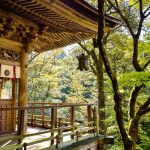
Japan’s tourism plan aims to entice travellers from around the world to come to Japan’s national parks by providing opportunities for outdoor sports such as hiking and becoming aware of the national park’s value and its ecosystem. A major element of Japan’s tourism plan is to attract millions of tourists to experience the beauty of Japan’s national parks so they will receive similar recognition and popularity as Japan’s large urban cities (Tokyo, Osaka, Kyoto).
In 2030, Japan expects that the number of international visitors to its national parks will grow to about 14 million per year. This substantial growth in visitors marked from its current average will be an important part of the government’s plan to distribute tourism away from large metropolitan areas.
The other purpose for distributing tourism across the country is not only to expand the number of visitors to Japan’s national parks but also to alleviate congestion and overcrowding in the large urban areas that tourists tend to visit. As such, Japan expects visitors will enjoy and appreciate Japan’s myriad of beautiful natural settings, as well as visiting some of the more popular urban sites.
In 2025, 9.9 million people traveled to visit Japan’s national parks. This is roughly 1.5 times the number of visitors they had in 2019, which was due to the end of the COVID-19 pandemic and is now starting to increase again.
Japan hopes to develop this further and eventually wants to be the top destination for nature-based tourism due to its diverse array of outdoor activities available throughout the country!
As part of their overall plan to bring 60 million international travelers to Japan by 2030, the Japanese government developed the Tourist Attraction Plan to encourage tourism to national parks located in rural areas of Japan. The Tourist Promotion Plan encourages travel to less populated areas and traveling in ways that are compatible with the Japanese government’s overall commitment to improving rural areas and making them accessible to the general population by providing these areas with ample recreational opportunities.
Because of the geographical layout of Japan’s islands outside of large metropolitan areas, accessing national parks can be difficult due to a lack of major rail lines or road access. A language barrier also exists, which often limits the number of multi-lingual resources available to inbound travelers who are attempting to engage with, or research, their travel options in rural markets.
To address these obstacles, the government is encouraging the cooperation of local governments, industry and tourism agencies. Their focus on developing transportation networks, multi-lingual resource availability and the ability for visitors to locate accommodations when visiting rural areas will be heavily emphasized. Simply put, beautiful places exist, however if they are not readily accessible; visitors will not return again.
Ultimately, Japan is looking for more than just an increase in visitation; they are seeking to improve visitor satisfaction to ensure an enjoyable experience for at least 90% of visitors that leave Japan by 2030, this represents an increase from previous years where only 78% of visitors reported favorable experiences.
Enhanced visitor experience (through improved facilities, increased level of service, and enhanced level of satisfaction) produce new “word-of-mouth” marketing for future tourism development.
Tourists that have a positive experience will act as “word-of-mouth” marketers for future developments of tourism.
The government of Japan wants visitors to the national parks to assist in increasing the average spent rate per visitor from approximately 263,000 yen to 300,000 yen, which in turn will result in more people spending their money at local businesses and in small towns and cities, as well as at the regional economy.
There are many benefits that tourism provides to local communities; new visitor arrivals, increased visitor spending and economic activity, as these same visitors will generate new job creation, sales tax revenue, and other sources of revenue.
The ultimate goal of Japan’s national parks program is to encourage and promote sustainable tourism. The program is owned by the government of Japan (the Ministry of Land, Infrastructure and Transport) and its goal is to encourage more people out of congested urban areas creating large burdens on urban infrastructure into various forms of natural places and also to provide benefits to the natural environment.
Should this approach succeed, Japan may be able to reposition its forests, mountains and coastal areas as iconic products similar to the cities of Japan known for their lighted streets and commercial services.
Thus in the future you may be able to view Japan as a country of not only sushi and shopping, but also of trails for hiking and lakes that are scenic and parks that are quiet and peaceful.