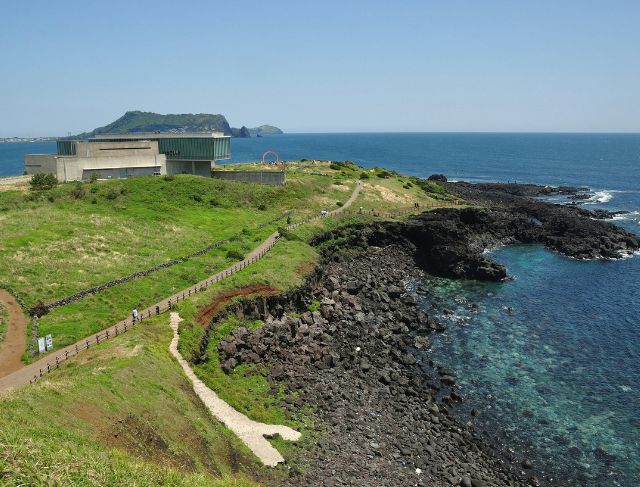
The recent debacle concerning illegal camping on Jeju Island illustrates that “tourism gone mad” can lead to serious problems. Not only are the local residents totally over it, but the government has finally acted and is preparing to fine anyone who wishes to utilize the scenic volcano as their “backyard”. Had proper attention been given much earlier, perhaps the issue would have never reached this magnitude.
It’s not like they were burning down the island because of wildfire fears, but the fear of starting one has been causing a lot of concern. Sadly, visitors have been BBQ’ing on top of the Jeju sky; partying until the early hours; having fires at the top of a mountain without any methods of putting out the fire, and Residents believe these situations are extremely dangerous; a single spark (or even just one person dropping something down to earth) on a dry piece of grass could lead to the total destruction of Jeju’s forests.
A Collection of Complaints That Demonstrate This Problem Does Not Just Happen Once
Some believe this issue came from a viral picture. Jeju locals would be happy to tell you that it has been going on for many years.
- Tourists are playing loud music at the summits? Yes.
- Tent campers first camping under trees and rock overhangs? Absolutely.
- Tourists disregarding signs and entering into restricted forest trails with bikes, motorcycles and even horses? Yup.
Numerous locals have commented on how they have been submitting complaints about this type of behavior for as long as they can remember but have not seen any improvements in that area.
The situation gained national media attention when one resident, Hong, posted photos of an online petition board. The pictures depicted many tourists camping at Nokkome Oreum, one of Jeju’s many famous volcanic cones, with some simply using rocks or trees for their shelter and not even having a tent.
Many of these individuals were treating the summit as if it was a party site — drinking, playing loud music, and having barbecues in the middle of the night.
In her post, Hong also indicated that not only were these actions offensive, they are against the law.
Legal Restrictions Related to the Environment
According to the Korean Environmental Conservation Act and the Korean Forest Protection Act, people are prohibited from cooking, camping, or staying overnight in prohibited areas; however, tourists continue to violate these established rules.
In her post, Hong noted that, in addition to creating a fire hazard, this type of behavior creates serious sanitation issues; mountain tops are not designed to handle the amount of garbage and waste left behind by overnight visitors.
A Detour to Another Site of Damage
Hong also drew attention to the Jagangnokkome Oreum Area’s damages, where there are many cyclists, hikers, moto-cyclists, and horse riders all plummeting through cedar trees and designated walking paths. Hong suggests developing more clear restrictions/signage so this area does not continue to be violated with so many adventurers passing through it.
After years of receiving complaints from Residents about the area’s decline, Jeju’s local government has finally stepped up efforts to enforce restrictions on the area with fines of up to 1 million Won for anyone camping/cooking where they should not be.
Now, whether this will work is a different story altogether, as at least the local authorities are now not acting as if they are unaware of the problems facing Jeju.
Jeju island has become an attraction for many types of travelers who wish to experience Jeju Island and it’s raw, off-the-grid appeal. “Freedom” has now become a major issue for many who call the island home due to all the illegal camping, fires, noise, and other disruptive behaviors. What was once a true escape from man-made environments into nature is a lot of work and headache for the local community.