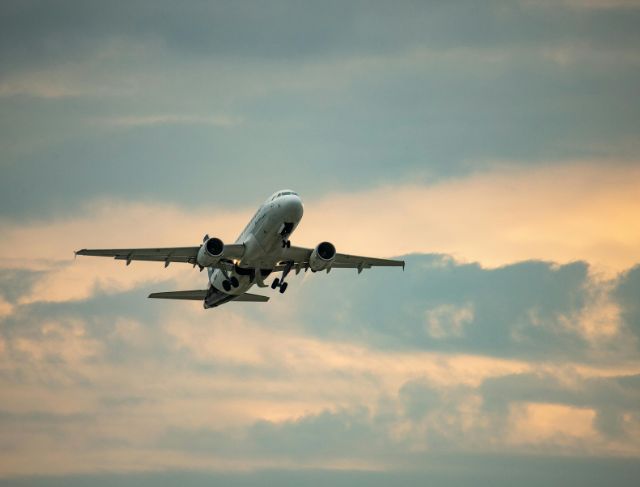
One thing travelers should keep in mind about Airbus’ recent problems is that all airplanes, no matter how reliable, can be affected by something as simple and powerful as solar radiation. With very little time for the airlines to recover from this situation, they are scrambling to deal with emergency landings, reverting to previous software versions and possibly purchasing new hardware to replace damaged components. Hundreds of thousands of flights will be impacted during this fiasco.
Unlike the recent glitches or failures of the engines on Airbus aircraft, this issue originated from a source no one anticipated—solar radiation impacting the A320’s flight control systems (FCS). Solar radiation disrupted the data recorded by the FCS, which caused a JetBlue flight to lose all of its control inputs while flying, leading to an emergency diversion that resulted in serious injuries for more than 150 passengers.
After this serious incident, Airbus looked further into this incident and became aware that the issue was not limited to just this one JetBlue flight. There were, in fact, far too many cases of this happening.
- British Airways
- American Airlines
- Delta Air Lines
- Lufthansa
- Wizz Air
- EasyJet
- Aer Lingus
- Turkish Airlines
- Avianca
- Air India
- IndiGo
- Air New Zealand
- Flynas
- Batik Air
- Super Air Jet
- Citilink Indonesia
- AirAsia
- Pelita Air
- TransNusa
- Air France
- All Nippon Airways (ANA)
- JetBlue
Because of this, more than 350 airlines received an urgent message from Airbus, even though 3000 A320’s had already taken off before the warning was sent.
Airbus had already been tracking reports indicating weird flight control problems. However, things took a turn on November 29, 2025, when Airbus officially revealed that there were six thousand aircraft that would be required to undergo thorough inspections and might be required to receive modifications.
The recall encompasses planes using the most recent software version. Two-thirds of these planes can utilize an easy fix by reverting back to the older software version; however, the other one-third may require either a complete hardware replacement.
Clarification at an unusual time.
Most industry experts believe that the great majority of affected aircraft will only have to experience periods of shortened disruption. However, when your entire fleet schedule is turned upside down as a result of unplanned downtime—what does “short” mean? How about those unfortunate airlines with hundreds of aircraft needing hardware replacement? They might find themselves grounded for extended periods of time—weeks or even months—due to parts availability.
The entire global disruption initiated from one unfortunate JetBlue journey and a ray of sun so powerful it impaired critical avionics. This chain reaction exposed a flaw in an aircraft type that is prevalent among frequent fliers, with millions of them flying on this type every day. Ultimately, thousands of A320s are currently out of service for repairs, and every stakeholder (airline, regulator, and passenger) anxiously awaits how quickly Airbus will rectify the problem.
Considering that airplanes are designed to sustain electrical surges caused by lightning, withstand the force of volcanic eruptions, and withstand temperatures as low as -60 degrees F, it seems remarkable that an occurrence due to solar activity should be associated with the largest recall in aviation history. Moreover, while the manufacturer has historically built an avionic system associated with the A320 series which is regarded as reliable, the manufacturer has recently shown that the A320 series has an area of vulnerability that did not exist before.