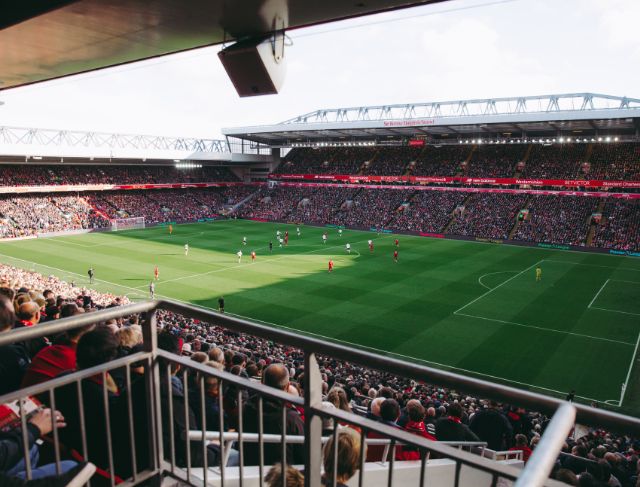
In a bid to draw large crowds for the 2026 World Cup, it is expected that there will be a large number of YouTubers, TikTokkers, Instagrammers and live streamers who will try to film the atmosphere of this great event. But before YouTubers and others pack their cameras/ring lights and get ready for the trip, there is an important message from U.S. authorities: The shooting of the World Cup as a tourist is one thing, earning income from your filmmaking while in the U.S. is quite another.
This warning has developed into one of the more unusual visa tales surrounding the tournament.
Based upon information released by U.S. immigration and border patrol agencies, foreign nationals coming into the U.S. with a tourist visa will not be permitted to work or otherwise receive income for any activities they conduct while in the U.S. According to officials, if creating content is tied to the generation of revenue associated with a U.S.-based payment, that content will be treated as work, not tourism.
The differences mean a great deal to content creators.
There are many content creators that figure that attending the event and posting their videos and getting paid as a result is in a gray area. U.S. authorities are making very clear that the nature of the purpose for which they entered the U.S. and/or the source of revenue generated will play a large role in determining if someone visitor is adhering to visa requirements.
If you’re planning to create monetised content during the World Cup on a visitor’s visa, be aware that you may have trouble travelling back to the USA due to your trip being considered a violation of your immigration status. Your visa can be cancelled, denied entry, deported, or have other problems in the future if there are immigration issues related to your creation of monetised content on a visitor’s visa during the FIFA World Cup.
If your business is creating content about sports, travelling, and live events, the period of time around the World Cup is one of the most lucrative for sporting channels and social media accounts because of large global audiences resulting in more viewership, sponsorships, and advertising revenue.
However, immigration law does not always have the same interpretation of the creator’s activities as the creator would.
U.S. immigration officials have also stated that working for a media company while on a visitor’s visa is in violation of the terms of your visa. This applies to all influencers, and also extends to journalists, freelancers, and production companies.
A few U.S. immigration attorneys have written that there is often not a clear-cut answer to this issue.
Legal interpretations can become more complex if a creator has their social media business registered in a different country than where they are receiving funds for their content. In either case, attorneys will generally recommend to all creators that they examine their visa status prior to trying to monetize their content during the tournament.
This warning follows on the heels of global restrictions related to World Cup 2026, due to broad visa issues with many stakeholders of the tournaments, including media organizations, sports organizations, and many others that are part of the event.
Issues related to immigration have gained significant attention prior to the tournament and many are questioning how the U.S. will enforce its entry rules during one of the biggest sporting events in history, which the U.S. will host jointly with Mexico and Canada. It is projected that this year’s World Cup will have millions of international fans, and that the World Cup has also become a magnet for digital creators that showcase travel, culture, food, and sports to online audiences through their social channels.
Many of the digital creators attending the tournament have both an interest in attending as a passion project and as a way to monetize this opportunity.
This is not the only reason why the warning from the government about filming and recording at this Year’s World Cup has created a large amount of debate. The government has not said that foreign tourists are prohibited from filming/recording but rather that the visa category in which they were admitted to Canada needs to fit the type of work they are doing while here.
According to immigration experts, the best way for creators to avoid any issues while in Canada for the Cup is to understand the difference between travel for pleasure and travel for work before they come. For example, what a creator might think of as normal content would not be considered so by immigration officials if any form of payment for that content was received while the creator was in Canada.
Now as we count down to the World Cup in 2026, creators world-wide are now asking themselves a new question: besides production and content creation, will their visa allow them to be compensated for their production?