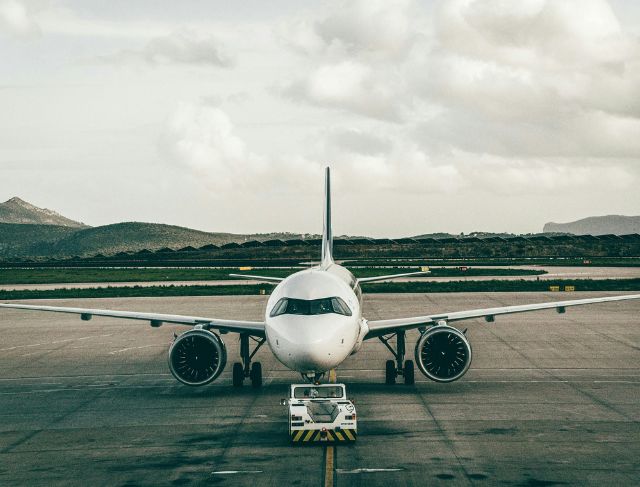
A number of airports in the world may be quieter due to the Middle East conflict, however one small airport located in Spain has seen an increase in traffic; not from airline passengers or tourist arrivals but rather from the many aircraft parking at the one facility for a temporary period of time.
Located somewhere in eastern part of Spain the Teruel Airport has started to function as a safe and secure location for the many thousands upon thousands of aircraft that have been affected by global air travel disruptions. Although Teruel is not usually in the news when it comes to travel, it is now getting some positive press coverage for its ability to accommodate so many commercial jets at a time when they need it most.
With continued unrest in the Middle East region, airlines are having to rethink their operations due to numerous flight cancellations and/or delays as a result of airspace closures and the rerouting of routes. There simply is no place left for many aircraft to go so they must wait at a safe location until the aircraft are able to take off again.
Located in a quiet rural setting away from the hustle and bustle often found at busy large airports, Teruel Airport is also known as one of Europe’s largest facilities providing secure long-term aircraft storage and maintenance service(s). Because of its ability to provide outstanding maintenance services without interruption, Teruel provides an excellent opportunity for airlines to utilize the facilities for the long-term parking of their aircraft without any passengers being involved with Teruel.
This is not the first time that the Teruel Airport has played this significant role; during the global pandemic known as COVID-19, over 140 aircraft were effectively parked at Teruel for almost two full years. All of the commercial airlines involved with storing their aircraft at Teruel felt secure that the facility would be a safe, large, and efficient location for extending their aircraft storage time and eventually transporting them back into flying status.
The Teruel airport has once more seen an influx of traffic due to disruptions in the global aviation industry. Within a short period of time, numerous wide-body aircraft will have been scheduled to fly into the airport, nearly all of which are coming from Qatar Airways. Given the return of larger passenger jets such as the Airbus A380 and A350, as well as the Boeing 787, many are being parked at the airport due to limited availability at other locations throughout Europe.
Management has commented that this type of traffic to Teruel is somewhat unusual and that airlines have been modifying their fleet and routes and searching for safe storage locations. Europe meets this requirement at this point in time.
Overall, Teruel is acting as a “safe parking lot” for the global aviation community, with the airport capable of accommodating up to 250 wide-body and approximately 400 narrow-body aircraft, providing a significant advantage over commercial airports.
Teruel is not operationally geared towards serving passengers; rather, its primary purpose is to provide aircraft maintenance and prompt technical service. Parking aircraft during periods of crisis is an additional function of the airport; however it has become increasingly essential.
Essentially, they want aircraft to continue flying, as the more they fly, the greater the demand for the maintenance aspect causing for more work (and business) for the companies involved in maintaining the aircraft.
According to the airport operator, the airports depend on airline behaviour in the forthcoming weeks, therefore there is no way to establish a projected number of arrivals at the respective airports. The reasons for this will depend on the growth of the conflict between them and how all of the airlines will change their behaviour in response to it.
So, while Teruel may not be the world’s most highly frequented airport, there are many other aspects in which the Spanish airport is supporting the global aerospace industry on a global level today and in the future until such time as we see a return of normalcy in the air.