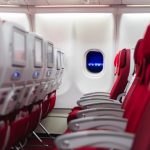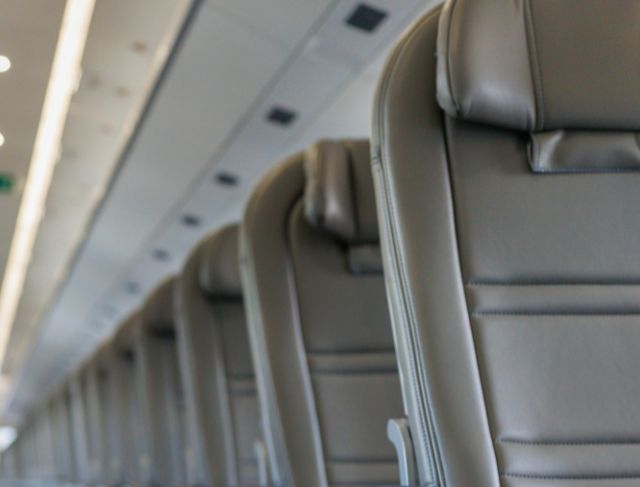
Airlines don’t dim cabin lights for a romantic 30,000-foot date; they dim our lights for serious safety reasons. Additionally, it saves the airline some electricity as well!
If you have been in an airliner during takeoff or landing, you may have noticed that the cabin became a lot darker! It seems like no big deal, but if you’ve ever wondered why, you’re not alone. The majority of people aren’t aware of the changes, as they are busy fiddling with their seat or checking social media for the last time in their lives!
As explained by crew members with Travel + Leisure, when the lights go down, your eyes will be adjusted to the darker conditions when something does go wrong between takeoff or landing. When you look outside and see something you were not expecting, you won’t be blindsided by your sudden exposure to brighter light outside the windows.
As explained by Agnes Chantre, this pre-adjustment is CRITICAL. When there is an emergency due to cabin or aircraft issues, time is of the essence. If you need to evacuate after there is a fire in the aircraft, but your outside environment is dark, your eye adjustment could make a HUGE difference!
Statistically, take-offs and landings are the two phases of flight when most accidents happen. That said, if an aircraft has a rejected take-off, a hard landing, or even an rare occasion (such as an evacuation), it’s imperative that the flight crew and passengers assess the outside environment and quickly identify any potential hazards related to the situation.
Having the cabin dark allows the sun’s glare off the windows to be reduced and thus improves the likelihood of passengers and crew to see any potential hazards: fire, smoke, debris, or other obstructions surrounding the aircraft. This allows them to notice quicker and respond to any emergencies.
In addition, when the cabin is dark, the emergency floor path lighting (the glow-in-the-dark path found in the aisles) becomes much more visible than in the light. The path lighting is photoluminescent (they get charged by normal light and glow brighter than in light conditions) and will provide better visibility and faster exit access to passengers than traditional overhead lights in case of an emergency when sight is impaired by smoke or confusion.
To give priority to the most important systems during critical times on older types of aircraft or while operating in specific power conditions, pilots will often “turn down” (dimming) unnecessary electrical loads at these critical times. This will help to give the essential systems (that provide safety) priority at these times.
Most people think that when the cabin lights are dimmed before takeoff, it’s done to create an atmosphere (set the mood) for the flight. In reality, the dimming of cabin lights before takeoff is actually like a “silent signal” that the aircraft is trying to get ready for whatever happens.
The next time you notice the cabin lights being dimmed right before you take off or land, remember that it isn’t just a coincidence. It is a standard practice in aviation as part of the protocols that are followed by all airlines around the world.