While China and Japan are busy exchanging diplomatic insults, nearby nations, especially Singapore and South Korea, are quietly benefitting. The money from tourism does not disappear, it simply diverts a course.
Travel Will Always Follow Emotion
People book flights not just with money — they book emotionally. And right now, millions of travelers from China are “Nope, not Japan.”
That change in emotion is impacting all aspects of flight traffic, cancellations, individual hotel occupancy, and yes — tourism revenue.
The Data Drop
CTD, a travel analytic company, has referenced that 30% of the anticipated 1.44 million China-to-Japan trips for the remainder of December have been canceled already.
That is significant. And those have been generally trips that were planned in very near-term, not vague far-future plans.
New bookings? Largely nonexistent. Before this altercation, the bookings between China and Japan were up 25% vs 2024. Now they are below last year’s total.
South Korea and Singapore Shine Bright
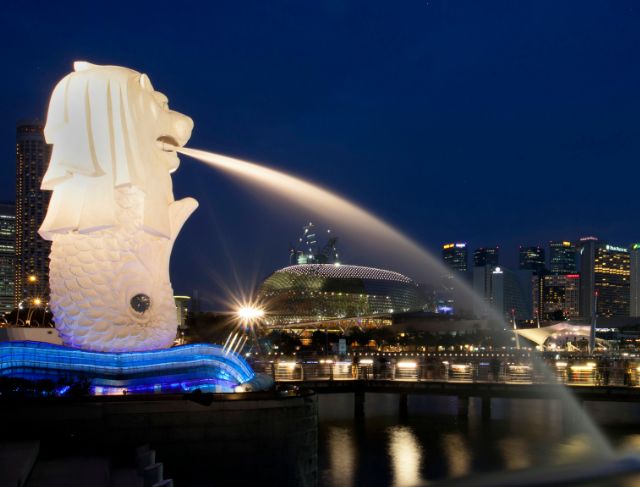
While the tourism economy of Japan watches revenue vanish, both South Korea and Singapore appear to be celebrating quietly. Bookings to both countries reportedly increased as much as 15% in a matter of a few days.
Other destinations in Asia — Thailand, Malaysia, Vietnam — are also benefiting from some of the redirected holiday traffic, with an 11% increase week on week.
In short, tourists aren’t cancelling travel; they are just changing destinations.
Refund Domino
Many Chinese airlines — including Cathay Pacific and several major carriers — are waiving cancellation fees for tickets to Japan. Once the refunds were made easier…the stacks of cancellations multiplied to what I can only describe as a tsunami of cancellations.
Even state-owned travel companies have cancelled group tours they planned months in advance, not because it was now impossible to go, but because it put the company at greater risk of losing money if policies changed again.
CTD’s CEO believes that Japan is looking at potential losses of $500 million at the least to $1.2 billion at the most.
That number comes from this stat: Chinese tourists spend over $900 million every month in travel to Japan.
Airline Route Mess
The routes that were canceled the most were the worse off:
- Shanghai → Tokyo
- Beijing → Osaka
- Guangzhou → Tokyo
These are among some of the busiest tourism-related air travel routes, and now they are the top canceled countries.
Lucky winners: Singapore and South Korea.
Singapore did not start the fight. South Korea did not escalate the fight.
But both are now the #1 rebound destinations for Chinese travelers who still want to holiday — just not in Japan.
Travel patterns can turn on a dime when politics meet tourism.
Japan stopped gaining ground. China hit pause. And its neighboring countries opened their doors like:
“Well… if you’re already going to pack your bags, you can come here.”
Sometimes, global politics feels like high school drama – and, tourism is the friend who decides which side to support based on who stopped talking to whom last week.