Blackened tree trunks scattered around. The rugged terrain where many of the plants coexist usually causes them to go unnoticed, as if they were a part of their surroundings instead of being complementary to them. But in this remote area of Western Australia, there is a fascinating tale of how nature can bounce back.
Many of the plants that have survived and flourished in the Nilgen Nature Reserve rely on fire to help them live and reproduce; so far, fire has triggered what scientists say has been the most dramatic single event in Australian ecological history, and it has happened repeatedly for over 66 million years. What we often perceive as destruction carries within itself the potential to foster a whole new cycle of growth and change within our landscapes.
Most visitors to the Nilgen Nature Reserve will not see the spectacular wildflowers until they have walked a significant distance through the reserve. The sites at which fire has occurred are marked by the remaining blackened boughs and dark bark of trees along their walkways, and so they are in most cases in a state of being damaged as opposed to being permanently harmed by the fire; little do they know, however, that those fires have been firmly established in the landscape of Australia for millions upon millions of years.
Nilgen’s plant life has developed in unbelievable and exceptional ways to live in balance with the environment – many plants use extreme heat to help them reproduce. A number of the native flora will wait for the heat from fire to unlock their Seeds. When they get hot, the pods open and the wind carries away the seed so that plants can reproduce.
This harsh method has supported the creation of one of the most vibrant botanical getaways in Western Australia.
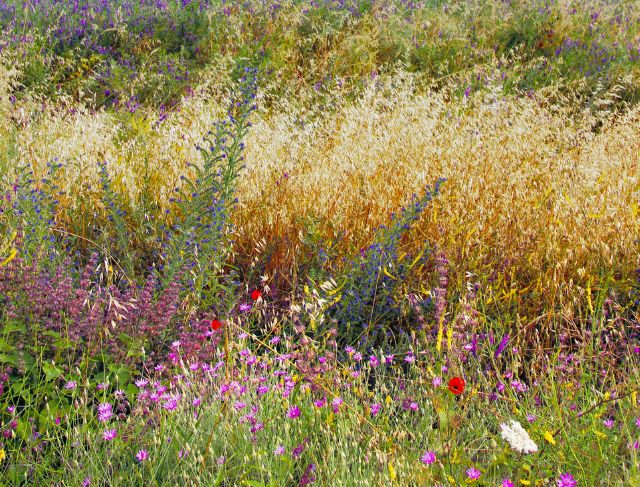
Interestingly, tourists generally expect to find large colourful, vibrant fields of flowers, however, the reality of Nilgen is of small, delicate, and at times, easily overlooked flower species. The colours of wildflowers tend to be therefore darker with deep reds, browns, maroon, and some almost black shades of colour vs bright vivid coloured landscape.
Beauty is quiet; patience must be exercised to appreciate the beauty found at Nilgen.
Visitors to the reserve will need to put in the effort to see the minute details, such as the many tiny flowering orchids that are hidden among the low growing vegetation, small shrubs that begin to bloom at the beginning of the coastal heaths, and many native species of flowers competing for the eye within the vast expanses of Banksia trees that line the reserve.
The reserve’s numerous native plant species make it an extremely significant natural site along the WA coastline, as many of the plants found here are endemic to the area and not found anywhere else on our planet.
As the season of spring approaches, the landscape is transformed as flowers start to grow and the vibrant colours of the flowers are abundant amongst the coastal vegetation. The banksia, grevillea, kangaroo paw and many species of wild orchid will all put forth their beautiful blooms, providing a stunning contrast to the other seasons when they were underwhelming in their display of biodiversity.
One of the simplest ways to witness this transformation of the reserve is through the Wildflower Walk, which leads visitors through various vegetation zones, while highlighting the scars of past fires and the spectacular regrowth that has occurred as a result.
The fresh growth on the stems looks like it has nothing left to give to them. The fresh foliage of the new shoots still contrasts with the blackened trees. Birds and insects move between nectar-producing flowers, and help pollinate the species which rely on these organisms for their reproduction.
There is more than one narrative lurking beneath the surface of this area.
Nilgen carries a rich cultural history that has existed for thousands of years. Coastal areas such as this were used by the Yued Noongar’s prior to Europeans settling in the area for hunting and gathering, as well as for the trading of goods and conducting cultural practices.
Cattle and sheep travelled through Nilgen as they made their way from settlements, farmed lands and mining towns throughout Western Australia.
Wildlife is yet another draw to Nilgen. Visitors to the area you may spot kangaroos, emus and other native birds while exploring the reserve. The reserve also functions as an important ecological corridor, linking various habitats together and ultimately supporting populations of animals that need large interrelated landscapes.
The most profound lesson from Nilgen is not about flowers or whatever; rather, the significant concept presented by Nilgen is one of resilience.
Throughout various locations across our planet, fire is seen as the end of life, however in some cases, fire represents the renewal of life. The development of Nilgen is an example of how nature adapts to the challenges presented by fire, and what once seemed destitute is an opportunity for growth.
When traveling north from Perth to destinations such as the Pinnacles Desert, Nilgen has an incredible range of things to see and do. Other local places like Moore River Estuary may attract visitors to the region; however, the reserve offers something distinct and different by giving visitors the opportunity to view a land that is connected to both survival and beauty.
The flowers may not be the most brilliant you’ve ever seen, and the landscape is not what you expect when you think of a brightly colored flower paradise, but that is what makes Nilgen so special. Underneath the ruggedness of the land lies one of the most remarkable examples in Australia of how nature can adapt, survive and thrive after experiencing fire.