
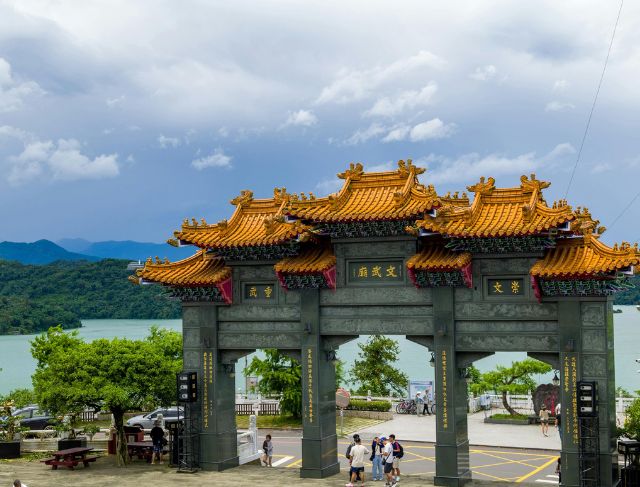
In the past, many travelers viewed Taiwan as simply a stop-over to larger destinations within Asia; however, the views of those travelers have recently begun to shift. Bring new international markets to the island.
It is interesting to note that Taiwan’s rising status is being a result of more than just one singular attraction. It is due to the combination of family-friendly mountain adventures, busy and exciting night markets, relaxing beach escapes, modern and vibrant cities, as well as a host of food experiences that can be found on social media.
Travelers who visit Taiwan frequently express the same thoughts and feelings; that they found Taiwan to be an easier, friendlier, and more relaxing destination than they first thought it would be.
One of the more surprising stories to develop over the last few months has come from Kenting, an area in southern Taiwan known for its tropical weather. It has been reported that Kenting witnessed a more than 100% increase in tourism. The beaches of Kenting have gorgeous views of the ocean, numerous diving locations, beautiful coastal roads, and marine parks with plenty of activity, appealing to both luxury and backpacker styles of travel.
Hualien is also gaining popularity for nature enthusiasts. The main attraction of this area is Taroko Gorge National Park, which has cliffs, rivers, tunnels, and amazing mountain views. The increase in visitors to Hualien is an example that more travelers are choosing to have outdoor vacations rather than just travelling to cities. Hiking, biking, and taking scenic train rides are becoming part of the overall travel identity of Taiwan.
Interesting enough, Taiwan is gaining considerable popularity outside of Taiwan. In Canada, there are many advertising campaigns promoting Taiwan in public places. Some are huge murals on Skytrain stations in Vancouver so that people can learn about Taiwan while commuting daily. Meanwhile, Taiwan is actively working to promote its tourism in Europe including France, where travelers are interested in architecture, local culture, cycling routes, and leisure activities.
The overall plan fits because Taiwan meets the needs of more travelers seeking authentic experiences rather than just going to commercialized tourist attractions. For example, after spending the first half of your day drinking tea in a mountain village, you could enjoy local street food at 1:00 a.m., and then take a high speed train to a completely different city the next day.
Internationally recognized as a source of street snacks and street food, Taiwan’s Shihlin Taiwan Street Snacks has made it easier for foreign markets to learn about traditional Taiwanese flavors. For many tourists, trying out dishes such as Taiwanese fried chicken, bubble tea, oyster omelettes, beef noodles and desserts found in night markets is enough of a reason for them to make their visit to Taiwan their primary reason.
Taiwan’s tourism industry is not solely reliant on high-end luxury tourism but also caters to a number of other types of visitors. The flexibility offered by Taiwan’s tourism sector enables budget travellers, families, solo-egers, digital nomads, and food vloggers to explore the country with their own unique experiences. As a result of this flexibility, Taiwan is able to compete with other major Asian tourism towns such as Seoul and Bangkok.
Another factor that makes Taiwan a popular destination for visitors is how easy it is to travel and navigate around it. Transportation is modern, trains are fast, cities are clean, and for a first-time visitor navigating between regions is simple (no confusion). Those who experience large metropolitan areas in the East often describe Taiwan as being less stressful to navigate in as well as an exciting area to experience.
Growth in tourism is also generating a trickle-down effect for businesses within the local economy. Hotels report increased occupancy, travel agencies have more bookings, restaurants are busier, and transportation services are continuing to expand. Local companies benefit from this growth in international tourism, especially in areas that had lower volumes of foreign visitors.
Another example of this phenomenon is Taoyuan city. Taoyuan has recently attracted more urban-type tourists who want to experience culture, shop and see the various attractions available to them. In the past many individuals only used Taoyuan airport to connect flights from one country to another; however, more tourists are now spending time in the surrounding communities due to their growing interest in exploring places close to where they first arrived in Taiwan.
Finally, the social media promotion of Taiwan has greatly improved the country’s overall image as a tourist destination. Online there continues to be videos from Taiwan that show lantern festivals, beautiful train rides, tea farms in the mountains, bustling night markets full of neon lights and exciting convenience stores. Many first-time tourists say they were inspired to plan a trip to Taiwan after watching frequent viral travel videos on outlets such as TikTok, Instagram and YouTube.
While it has experienced exponential growth, Taiwan does not currently appear to be as crowded as many surrounding regions. This creates a sense of adventure for those traveling to Taiwan, which can sometimes be difficult for travelers to find in other cities throughout Asia due to their high levels of tourism.
At present, the continued growth of Taiwan’s tourism sector will continue to be a priority on an international level. With increased marketing efforts and global interest in food and cultural activities, the island will have ample opportunity for continued growth as a leader among all countries within Asia in the next few years.


