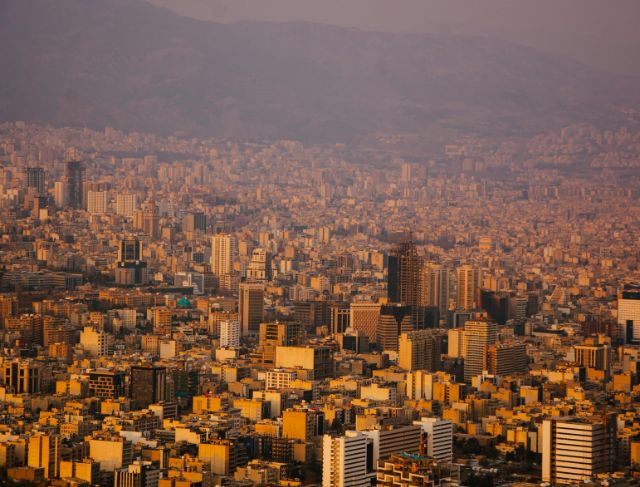
As of now, flights are back from Tehran, but we are only starting this recovery process. Resuming flights from Tehran shows that the disruption from last summer is almost resolved and air travel may be returning to normal.
However, in the longer run, this is indicative of just how much global conflict can hurt aviation and the extended time it takes to re-establish even minor air travel connections.
Commercial flight operations out of Iran had been suspended for nearly two months due to escalating tensions between the U.S. Government and the Israeli Government. This caused many areas of Middle Eastern airspace to be disrupted and have a subsequent ripple-down effect that sent waves throughout international flight routing.
It is encouraging that flights are beginning to be restored; as an example, flights from Imam Khomeini International Airport in Tehran to major locations such as Istanbul, Muscat and Madinah have begun being restored. This early stage of re-establishing Iran’s connection to important regional flight hubs has now begun. To complement the resumption of international air service, domestic air service in Iran is beginning to be restored. Iran Air has resumed flights from Tehran to Mashhad (i.e. two central cities in Iran) for the first time in 56 days. This marks a critical turning point for the ability of Iranians to internally move about their country.
Many more routes should be returning soon to service; however, it will be a slow resumption rather than an immediate return. The eastern areas of Iran are becoming increasingly important within that recovery period.
Airports within the cities of Mashhad, Zahedan, Kerman, Yazd and Birjand will serve as major hubs for the increased volume of domestic and transit traffic that will occur during that period of recovery. The area’s proximity to Turkmenistan, Afghanistan, and Pakistan makes it an ideal place for rerouting flights and re-establishing connectivity.
Coordination between various entities is currently taking place behind the scenes regarding the airspace being reviewed for reopening. Officials are working with international airlines to determine available routes and redevelop transit operations as conditions on the ground remain fluid due to the ongoing ceasefire.
At the beginning of the escalation of the conflict in the region, airspace throughout the Middle East was closed causing thousands of passengers to become stranded. Some individuals found themselves unable to return home easily while emergency repatriation flights encountered a number of challenges.
Several regional states, including Qatar and the United Arab Emirates, have begun to partially reopen their airspace shortly after the first phase of escalation; however, the pace of increasing flight schedules has been varied.
Next, let’s talk about the issue regarding fuel. Because of recent concerns about the Strait of Hormuz, many have expressed the fear of potentially jet fuel becoming short supply which could negatively affect a multitude of airline operators, and not just in that region. For example, European countries are looking at how they could bring in alternate fuel from other countries as well as looking at all the alternative supply plans that must or could be put into action in the meantime.
There are also many experts in this industry who are predicting that some regions may have less than an adequate supply of fuel should these supply chains remain disrupted, or under a considerable amount of pressure. This kind of instability can lead to many more flight operations being cut back throughout the world.
There are already signs of this occurring as a number of airline carriers have each stated they will be cutting back thousands of flights due to increasing prices for fuel and the continuing uncertainty surrounding all aspects of the air travel experience.
So where does this currently lead us? The fact that Tehran has now opened their commercial airports is a huge positive development for the wider commercial air-travel industry; however this is only a small part of a much larger puzzle that is yet to be fully worked out.
Air travel is making a long slow recovery, airlines are working hard on rebuilding their global route structures to their pre-crisis levels and are beginning to see the population starting to migrate back to using air travel. With all that being said, however, any significant disturbance of a global magnitude could bring everything to an abrupt halt again.