Being a “cool traveler” in this new era isn’t just about where you go, but how much of your own waste, or “footprint”, you leave behind when you travel.
You have a trip planned out for yourself. You’re grabbing drinks, using rideshare rides, buying snacks, and just moving around all day long. Typically this would seem like you’re not doing anything unusual, but the reality is that all this adds up to plastic waste (almost all trash is from plastic), carbon emissions, and buying items that were unnecessary. While all these actions in one day seem small, if you combine all that a million other travelers do together, the trash builds up.
You don’t need to go all out and be a “super-duper zero waste expert type” to make a difference when you travel. A little change will absolutely make you take a huge leap ahead of the rest of the travelers.
One of the easiest changes that you can make is to try to take public transportation (train, bus, subway, etc) instead of using ride sharing services or renting a car. Not only will you be reducing your carbon footprint, but you’ll also be able to explore the real city instead of only seeing it as a tourist.
Have you ever used an electric bicycle to explore a city? Using an electric bike is underrated. When you explore a new city using an electric bike you can cover more ground than you could walking around, and you won’t be creating pollution like you would if you used a gasoline powered motorcycle. You won’t be sweating so much while you’re riding up a hill since the bike is powered by electricity!
Using an electric bike to see the city is a small upgrade to your travel that will make you look modern and cool, but you will also be making a good impact helping the environment.
Plastic.
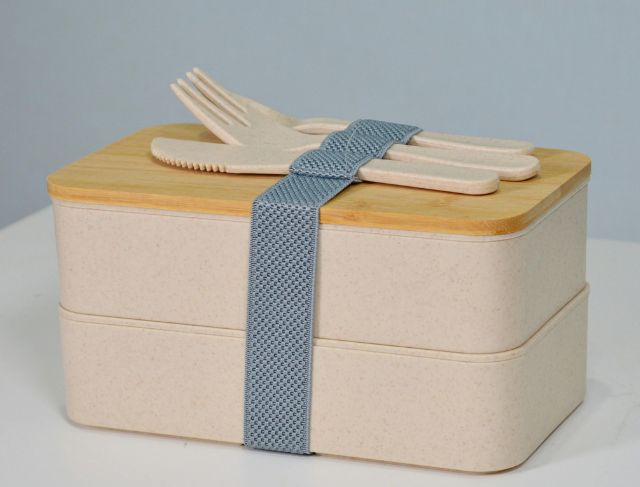
If you travel, then most likely you have used significantly more plastic than you normally would at home—think about how much extra plastic there is from bottles, bags, and packages of food when you are on vacation. One of the simplest ways to help with your impact is to bring your own reusable items. For example, if you bring a reusable tote bag with you to use for shopping and a reusable container for takeaway meals, then you can significantly reduce your waste.
Another item that is often overlooked is a water bottle.
While you may find it convenient to purchase bottled water at every destination, doing so contributes to a significant amount of waste produced while travelling. If you use your own bottle to refill with water, you will save money, too.
None of these recommendations involve any difficulty or discomfort, and no one is asking you to change how you travel; the focus is on making small, intentional choices where possible.
The truth is that younger people travelling today actually have more influence on what is trending than they realize. Companies do not create trends; rather, trends are created through the actions of individuals who begin to normalise such actions.
Eco-travel implies no one is expected to reach 100% eco-friendly status—just that we are becoming aware of our choices and making smarter choices in travel.
Ultimately, if enough people make eco-friendly travel choices, we will not have to compromise our environmental impact when we travel to new places.